A global perspective on health
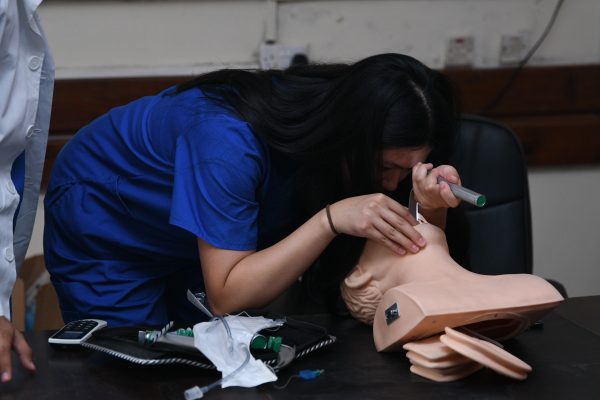
Inspired by Doctors without Borders and with an interest in global health, Zihiu Qiu, a junior psychology and health and medical humanities major, found an internship opportunity, like no other, in Mombasa, Kenya.
As a summer health care and pre-med intern at Coast General Teaching and Referral Hospital, Qiu completed rotations in pediatrics, OBGYN, emergency services and the surgical unit. Her shifts were long, yet rewarding, with morning shifts lasting five hours and night shifts lasting 10 hours.
“I went into this internship seeking a new perspective on medicine and how it is practiced in areas that are deprived of the resources we have in the United States,” said Qiu.
While most of her time at the hospital was spent shadowing medical professionals and comforting patients, Qiu was able to get some hands-on practice, thanks to her training and work as an emergency medical technician back home with the Town of Matthews Fire and EMS.
“I was able to take vital signs, assist in bedside procedures such as line placements and catheter insertions, and participate in resuscitations,” she said.
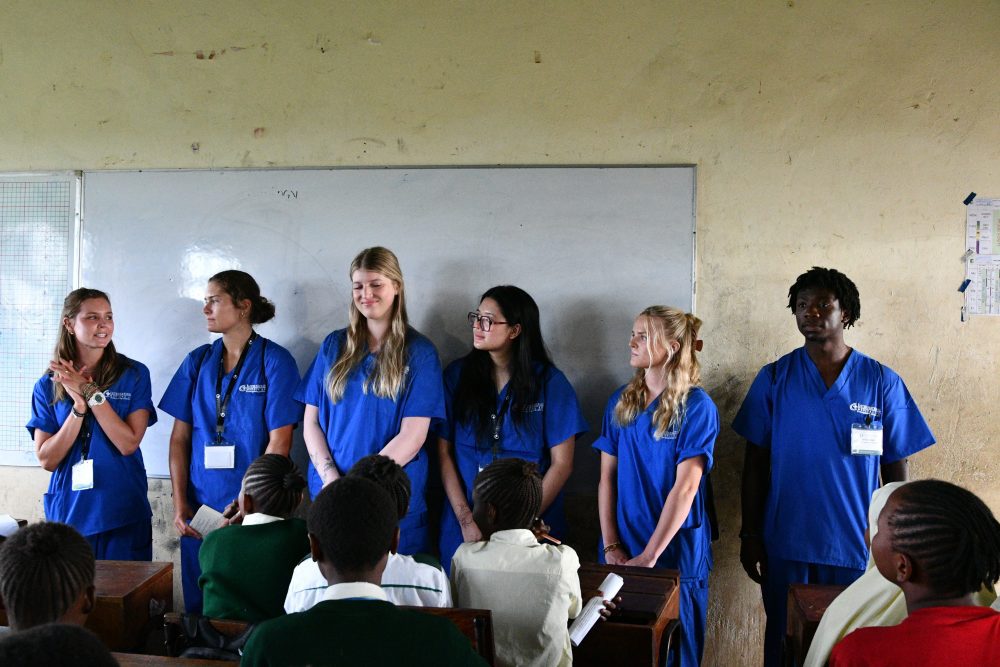
Outside of hospital shifts, Qiu assisted doctors and nurses at rural outreach clinics that provided services including pharmaceuticals, eye exams, dental care, nutrition consults and cancer screenings. And she helped lead education sessions at nearby schools, talking to students about basic hygiene, mental health and women’s health.
Qiu also had the opportunity to attend lectures on global health and health care while in Kenya, and she participated in simulation sessions learning to intubate, insert catheters and suture patients.
“There is a lot to consider regarding ethics when working with and learning from vulnerable populations, especially for students from countries with greater opportunities, wealth and education,” said Qiu.
She found there to be a significant cultural, religious and political influence on the practice of medicine in Kenya, with many parallels to the United States, but in a different nature and extent.
“Stigma and shame heavily influence the help-seeking behavior of those struggling with reproductive health and mental health, which is most of the population,” according to Qiu. “I also had to consider the effects of health illiteracy and the country’s history of colonization on their practice of medicine.”
Using these considerations and her hospital experience, she is continuing to work with program directors, female community health volunteers and an OBGYN in Mombasa to develop an extension of the existing outreach and mental health clinic. The focus will be on improving reproductive health literacy, while providing essential medical care to women.
Qiu learned a lot about herself through the internship and the best part was getting to talk with doctors, nurses and other students about their experiences.
Thinking about recent policy changes in America, Qiu was feeling unsure about wanting to become a physician. However, in observing the practice of medicine in a politically tumultuous and resource-deprived environment, she realized that this is exactly the reason to go into medicine and why she should do it now.
“This internship helped me solidify the reason why I want to go into medicine,” she said. “I definitely feel more motivated and purposeful in my pre-med journey, and I’ll also apply my experiences in my work here at home as a first responder.”
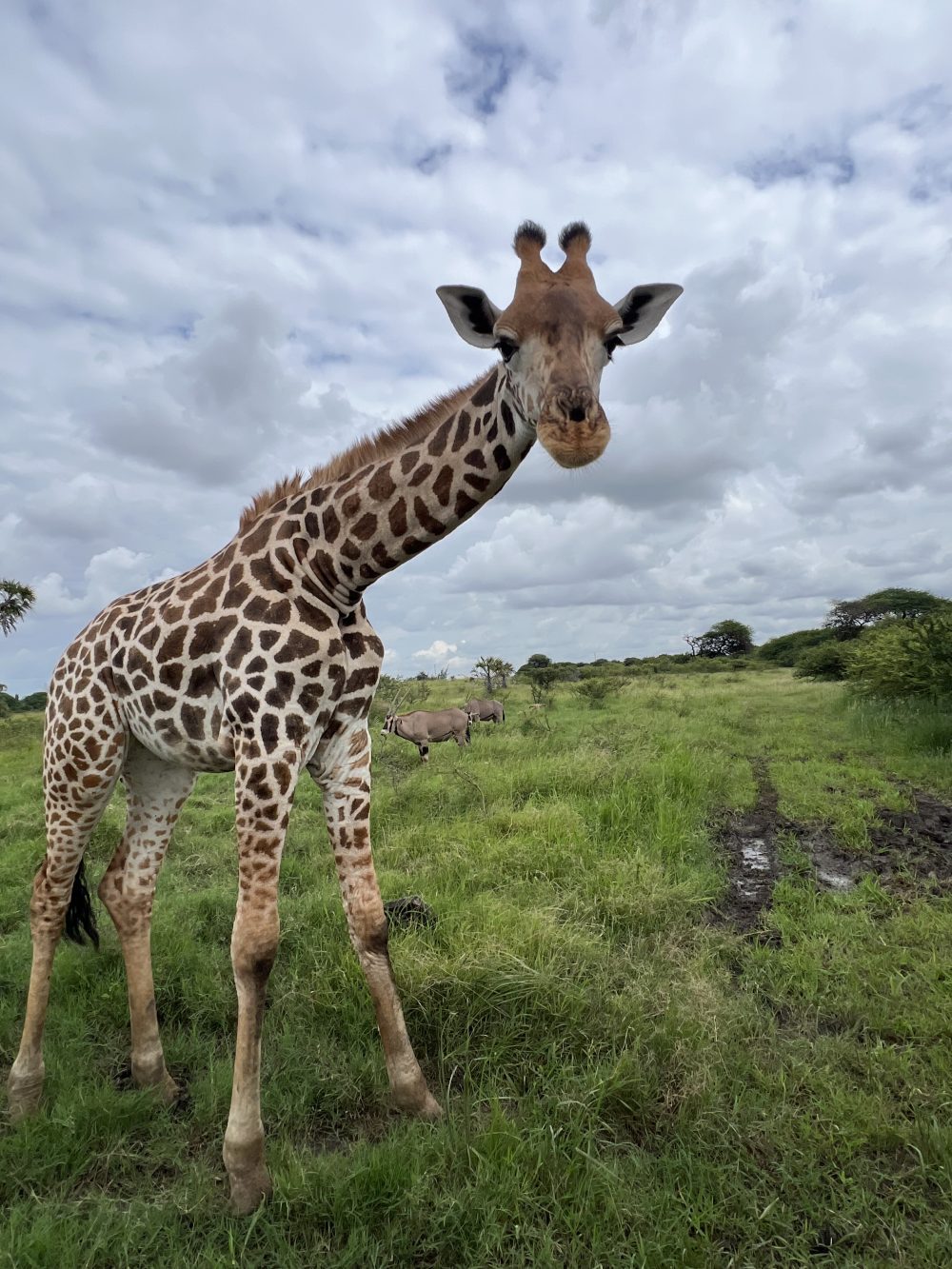
Was there time in Mombasa for anything but work? The answer is “yes!” Qiu learned some Kiswahili, saw many giraffes at the Nguuni Nature Sanctuary, explored the local cuisine and swam in the Indian Ocean.

Written by: Jennifer Howe