Levine Scholars from the Class of 2029 connect to Charlotte community through summer nonprofit internships
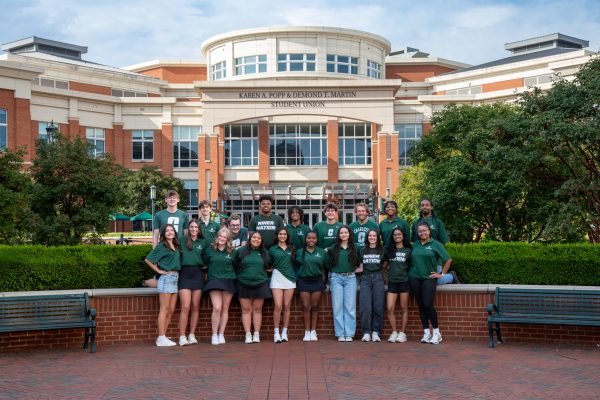
Every summer, rising second-year Levine Scholars spend approximately five weeks interning at nonprofit organizations in Charlotte, bringing fresh ideas and delivering projects that make an impact. Scholars learn the challenges and fortitude required to succeed as a nonprofit organization as well as the intangible rewards that come from serving others. Often, scholars translate what they learn into a proposal for an LSP civic engagement grant of up to $8,000, built in partnership with a local nonprofit to meet an unmet need in the community.
The Class of 2029 completed internships across health care, finance, education and more. Six of these scholars shared their experiences and how it strengthened their connections to the Queen City and the communities they worked with over the course of their internships.
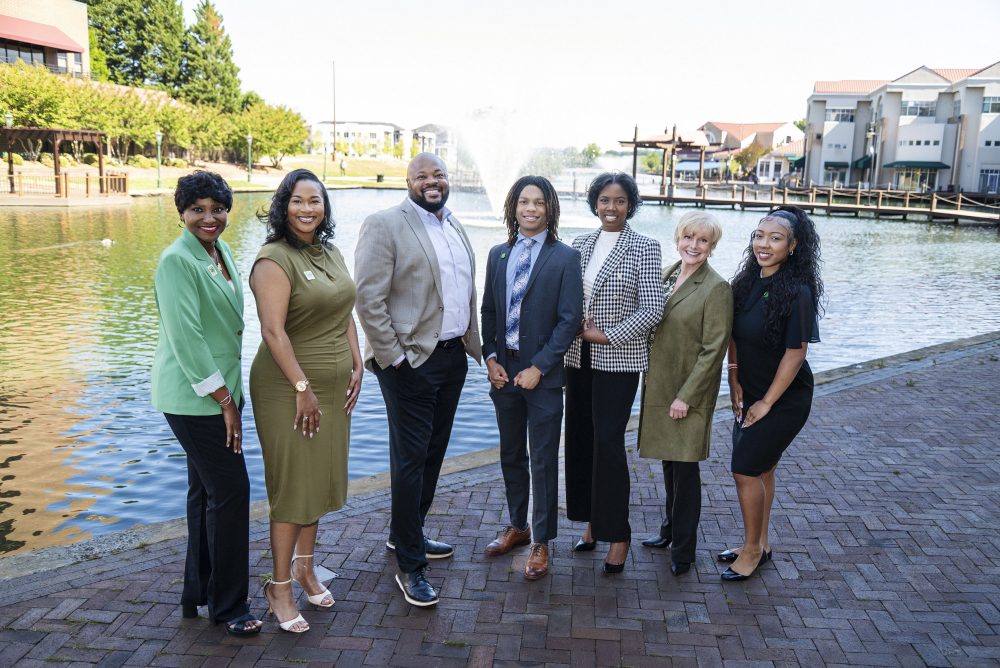
Myles Davis
Finance, numbers and the desire to build generational wealth has long been at the forefront of Myles Davis’ educational journey. The Business Honors Program member made an impact close to home as a summer finance intern for University City Partners (UCP).
A Charlotte native, Davis conducted profit-and-loss analyses of six major annual events and assisted with developing UCP’s 2026–27 event budgets. He also supported UCP’s Juneteenth Art Fest, which drew a record attendance, and secured year-round discounts of 10% to 20% for UNC Charlotte students from local University City businesses.
“Seeing the work that I completed could actually support the University City community was the most rewarding part of this internship,” said Davis.
In addition to the gaining real-world financial experience, the internship gave Davis the opportunity to network with the Todd Collins, CEO of Red Hill Ventures — the company that purchased and is revamping the Boardwalk at University City — as well as Kevin Bailey, UNC Charlotte’s vice chancellor for student affairs and UCP board of directors member, and Richard Buttimer, dean of the Belk College of Business.
Davis was inspired to pursue a career in finance by his father, a data engineer for Bank of America. As the primary Black male role model in his life, Davis’dad preached the importance of staying sharp on personal finance. He taught him from a young age how to read a candlestick chart and trade stocks before introducing more complex concepts including discounted cash flow and leveraged buyout modeling.
“The great things in life, more often than not, will never come easy,” Davis said. “My dad taught me that sometimes you have to be really uncomfortable to be comfortable later on in life.”
The UCP internship expanded Davis’ understanding of finance by showing him that careful budgeting and resource allocation can directly support local businesses, community events and economic development.
“I’ve just learned to count my blessings — a full-ride scholarship, internships and opportunities,“ said Davis. “I’m really excited for the future and what’s in store for me if I stay on this track.”
Thalia Dominguez Martinez
Thalia Dominguez Martinez knows food security is not a right. She remembers the long lines of people, sweating in the Havana sun with her grandparents and waiting for access to a sparsely stocked grocery store.
“The aisles were either really empty or it’s just completely filled with one product,” said Dominguez Martinez. “That’s just all you had access to, even if you had the money to buy it.”
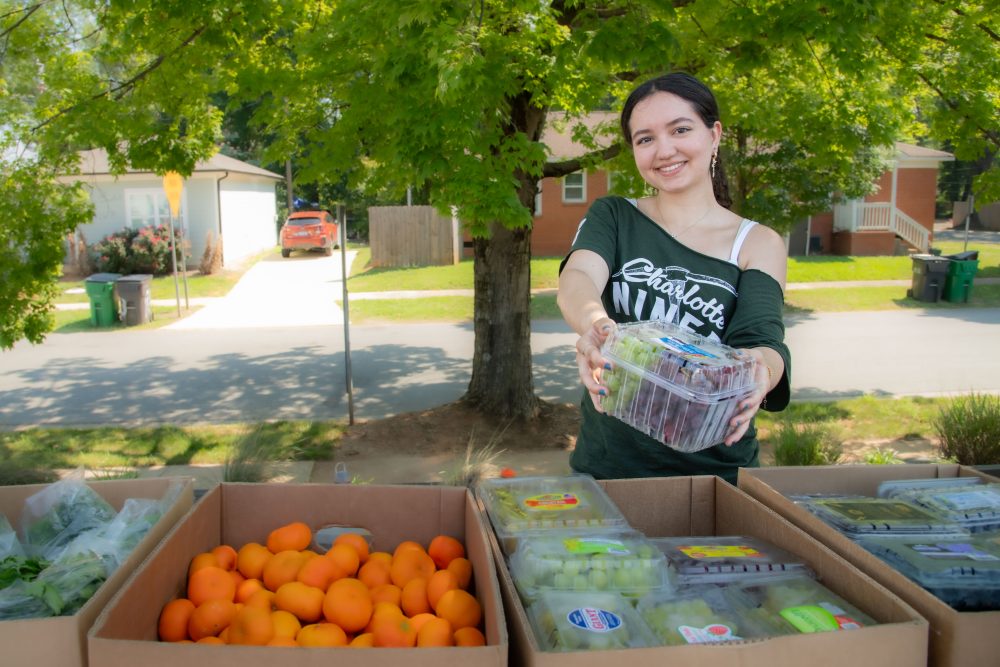
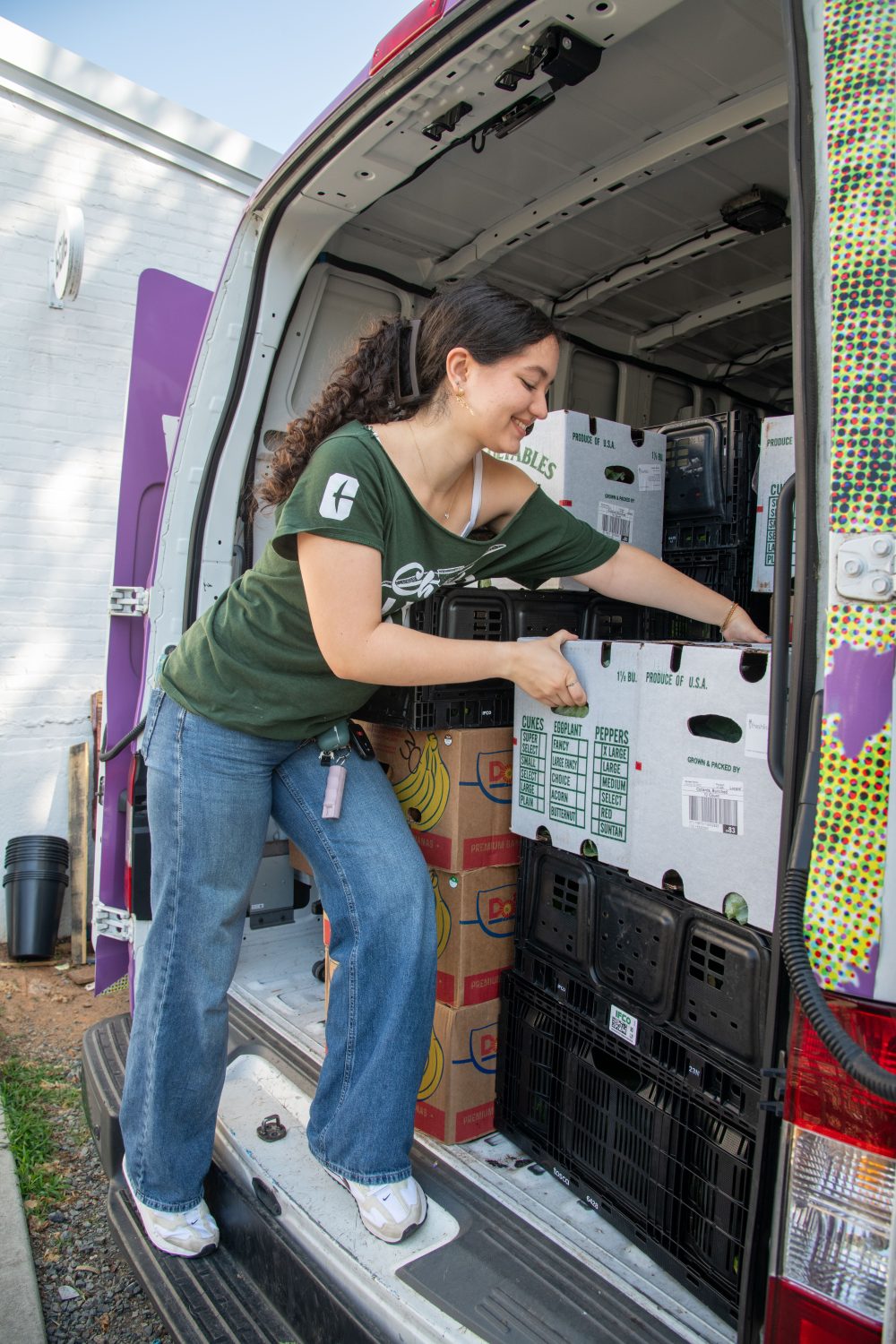
Her eyes were opened to food insecurity in Charlotte and she was able to make a lasting impact during a summer internship with the Bulb, a nonprofit mobile farmers market that rescues food waste and offers it to neighbors in need.
Through the internship, Dominguez Martinez was given a full overview of the Bulb: from food reclamation trips to sorting produce. The mobile markets were the most impactful. Seeing food insecurity, and volunteers working to help, made Dominguez Martinez feel more connected to the city of Charlotte.
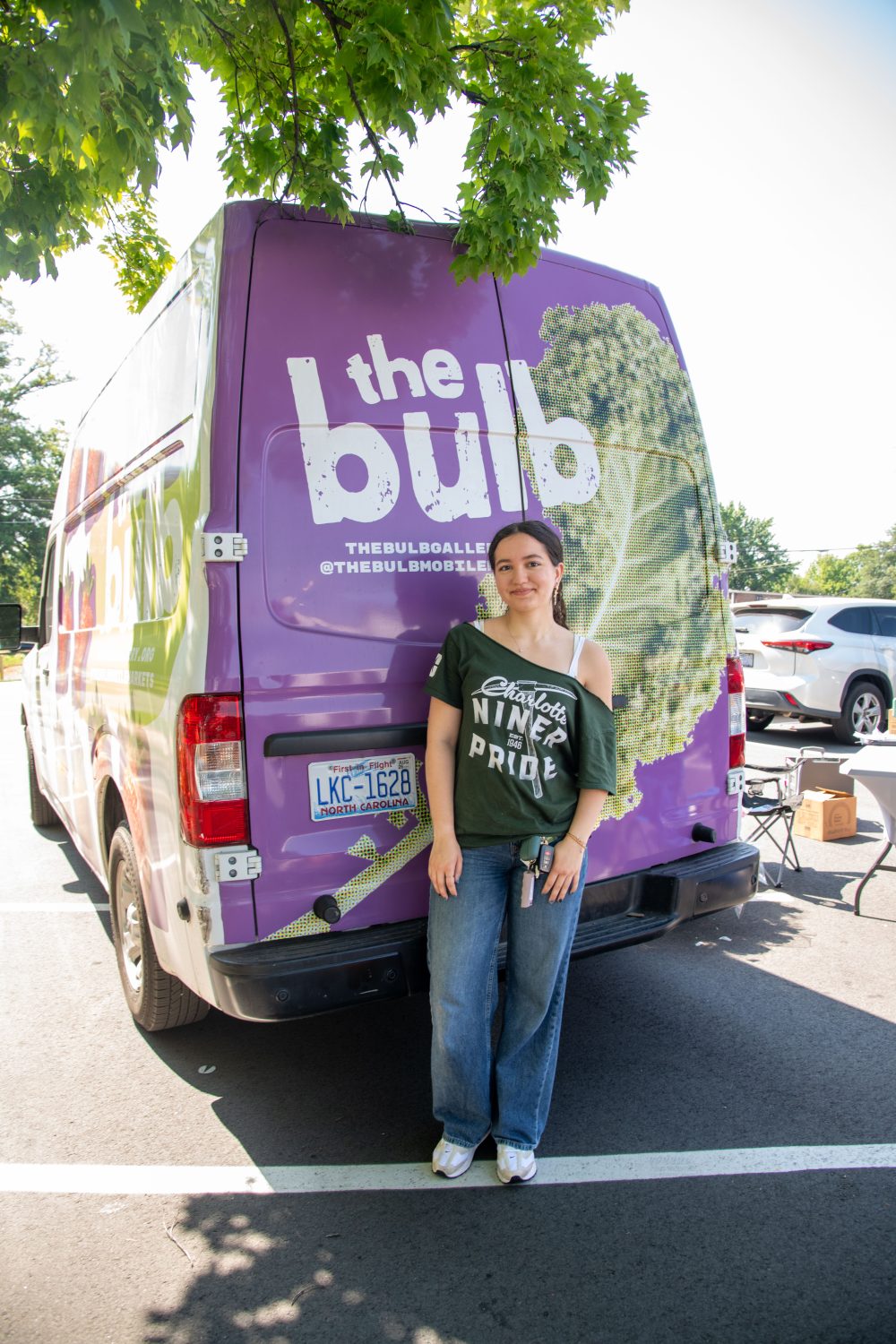
“It definitely made me feel like a part of the community, almost more at home, because I could speak to them in Spanish as well,” said Dominguez Martinez. “I just really enjoyed getting to know the Charlotte community on a deeper level — seeing their struggles and seeing how we’re making such a powerful impact.”
Even before she was accepted into the Levine Scholars program, Dominguez Martinez eyed UNC Charlotte for its architecture program. The tight knit community at the Storrs Building has become her family away from home. During her internship at the Bulb, she was able to incorporate her passion for architecture by redesigning the floor plan of the Bulb’s sorting area. She presented a new design to the Bulb’s leadership that improved usability, organization, adaptability and flow.
She hopes the suggestions are implemented and she can see the long-term effect of her internship when returns to volunteer at the Bulb in the fall.
Hannah Holness
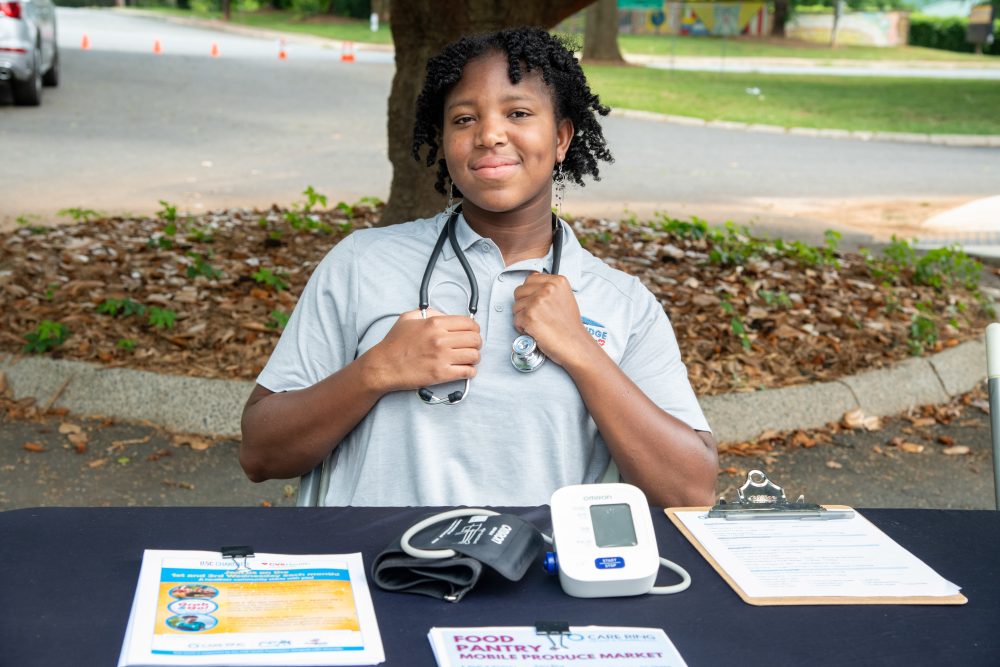
Hannah Holness chose to intern at Care Ring because of its mission to provide low‑cost health care to uninsured Charlotteans. For the pre‑nursing major, the experience not only met expectations: it surpassed them.
“It definitely hit every nail on the head for what I wanted to get out of it,” Holness said. “I honestly wanted to go back and keep volunteering my time because it felt like it was rather short.”
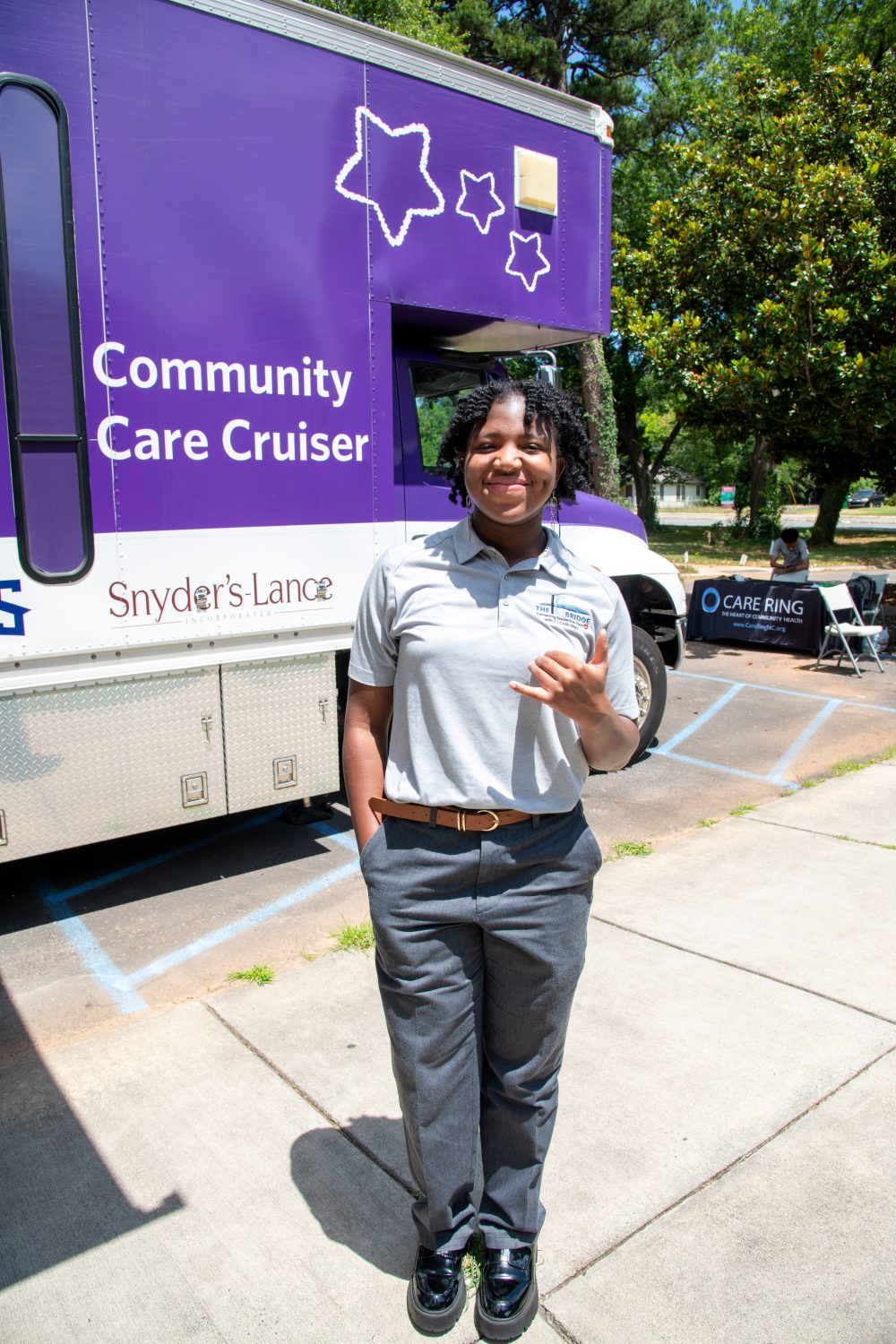
Holness always knew she wanted to work in a caring profession, but her path became clearer during her junior year of high school at UNC Chapel Hill’s Rural Summer Medicine Academy. There, she learned about the role of a nurse scientist, a clinician who can deliver patient care while primarily contributing to high‑level research, a career vision she now hopes to pursue at UNC Charlotte.
At Care Ring, Holness did a little bit of everything: answering calls, documenting eligibility for assistance funds, shadowing nurses and working in the food pantry. She also spent time in Care Ring’s mobile clinic, traveling into the community to take blood pressure and A1C readings. The experience gave her hands-on clinical practice while showing her how data collected in the field flows into research, reporting and program development.
“The most rewarding part was connecting with the recurring patients hearing updates on their lives, families and that things are getting better,” Holness said. “It’s so fulfilling and it makes me want to keep doing it.”
One of her most memorable moments came when she was asked to run the mobile clinic without the supervising nurse. Being trusted to lead the process, she said, was empowering.
“I learned that I thrive in environments where I can work independently,” Holness said. “I felt very comfortable taking the lead, which allowed me to connect more with patients and deliver a better healthcare experience.”
With a summer internship experience in her back pocket Holness looks forward to diving into her health care focused courses, mentoring first-year Levine Scholars, studying abroad and contributing to Care Ring’s developing Food is Medicine program.
Rex Jacobs
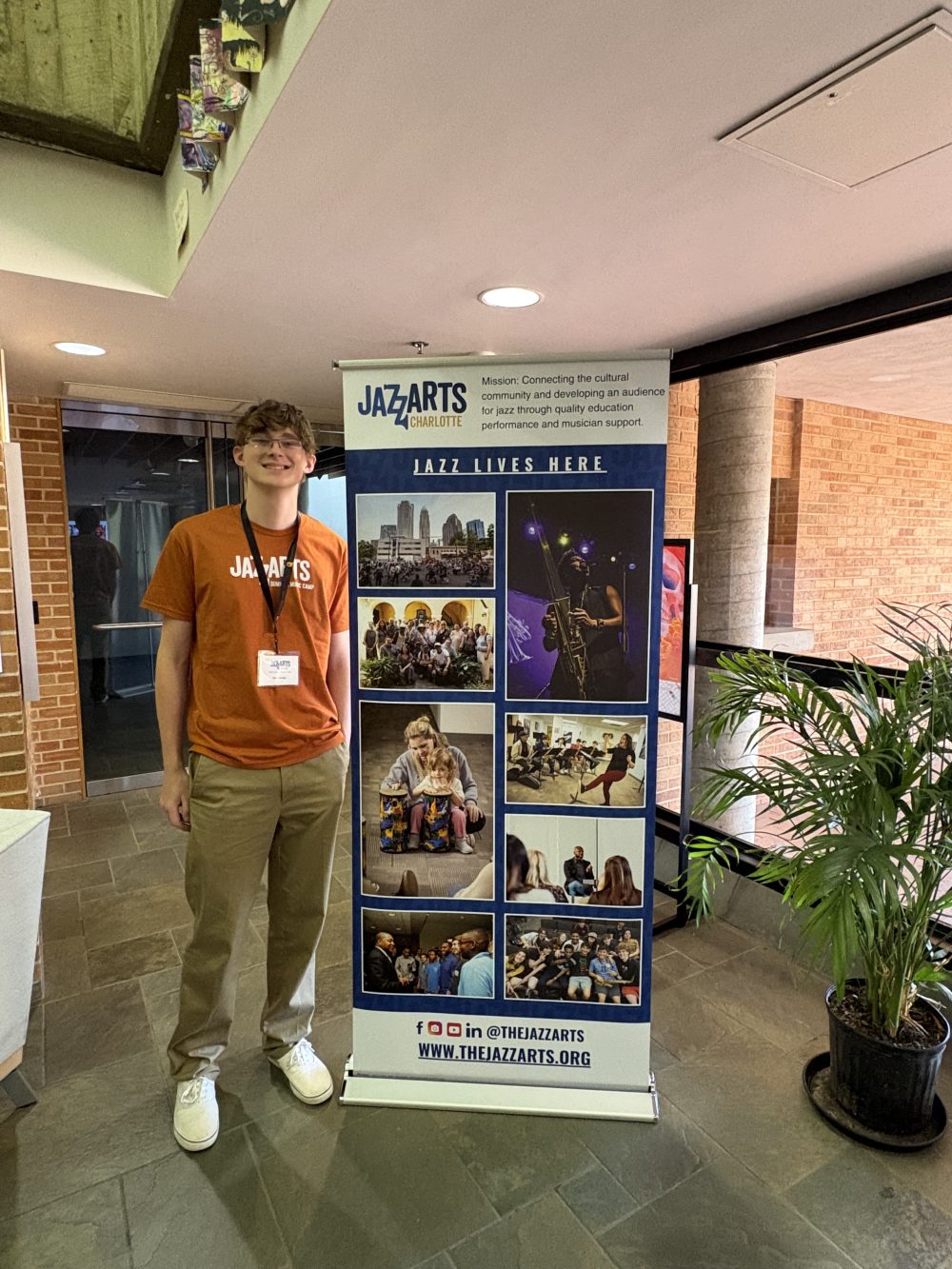
For over a decade, Rex Jacobs has used the trumpet as a tool for expression and escape. The mechanical engineering major gained a new appreciation for the music scene in the Queen City as an intern at JazzArts Charlotte this summer.
Jacobs pitched the internship to the Levine Scholars program because it reminded him of a music camp he attended growing up in New Jersey. During the internship, he assisted with JazzArts’ operations during its signature performance series and created an automated volunteer hour tracking system.
“The most exciting part for me was being an adult at the camp and seeing everything that goes into putting on performances,” Jacobs said. “JazzArts Charlotte is doing a lot to showcase the city’s thriving jazz scene.”
His interest in the trumpet was initiated by sibling rivalry; he chose the piercing brass instrument to annoy his older brother, who played clarinet, and stuck with it, to prove himself as the better musician. This gave way to a passion for music that led him to a community of equally driven musicians in all‑district and all‑state bands. Jacobs applied early for UNC Charlotte’s Jazz Ensemble and was named lead trumpet in his first year. At UNC Charlotte, Jacobs has made friends and had unparalleled experiences, including performing alongside the Department of Dance at the Carolina Theatre in Uptown.
Playing the trumpet serves as a counterbalance for Jacobs’ other passion, motorsports. Before he ever joined a school band, he was drawn to the strange looking cars and the nonstop action of Formula One racing. During the pandemic he would scroll through F1’s “Tech Tuesday” YouTube series, which sparked an interest in engineering. Charlotte’s acclaimed motorsports engineering program and the nationally competitive Formula SAE team hooked him when looking for schools.
“I only applied to three schools because I knew that UNC Charlotte was the one; I didn’t even have to tour it,” Jacobs said. “I just had an unexplainable feeling, just like music.”
This semester Jacobs is on the aerodynamics team for FSAE and continues to play in the Jazz Ensemble. While these interests seem opposites, Jacobs says there’s more in common than you’d think.
“When you play in the extreme upper register of the trumpet, slight manipulations make all the difference, just like the fine tweaks you make on a motorsport car,” Jacobs said.
Joselyn Moreno
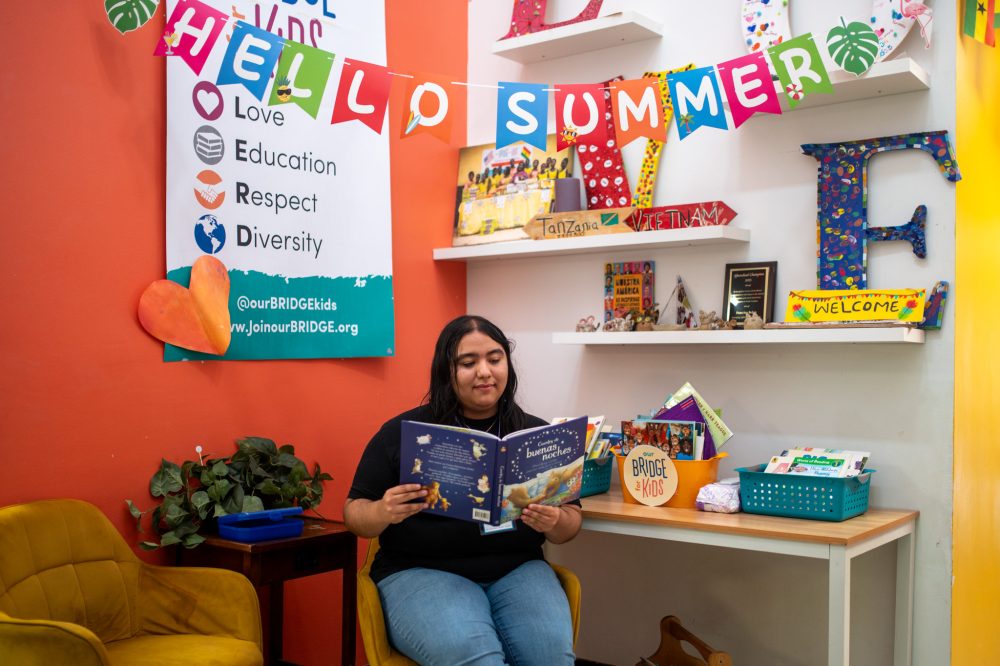
Joselyn Moreno didn’t take a summer internship at ourBRIDGE for KIDS, she was called to it.
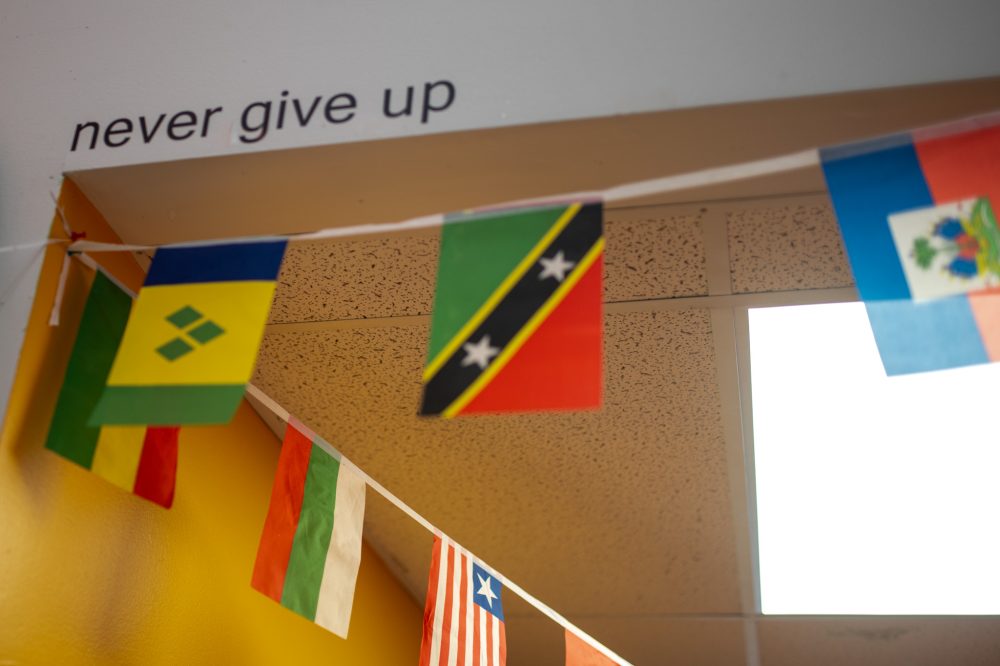
As she walked through a hallway fit for grade-schoolers, decorated with flags from across the globe, the first-generation American and Levine Scholar thought to herself, “I wish I had something like this growing up.”
“I wish I had something where there were kids who could relate to what I was going through,” Moreno said, sitting in a colorful kindergarten classroom.
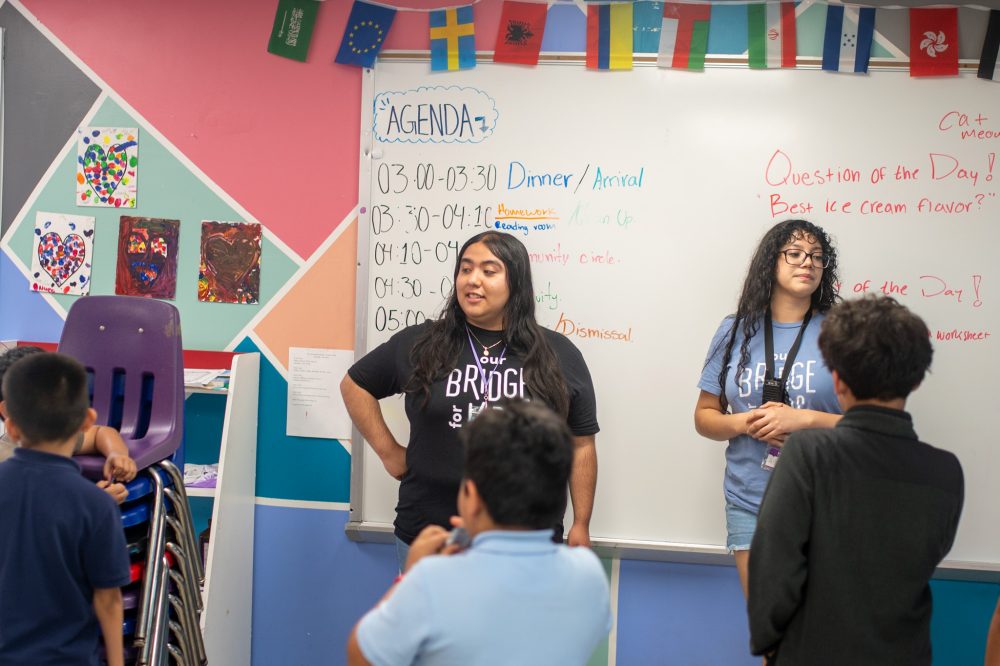
ourBRIDGE for KIDS is a nonprofit organization that offers afterschool and summer programming for children of refugee and newcomer families in the Charlotte area. Through lessons and community circles, students grades kindergarten through eighth grade, share their cultural differences and learn about Charlotte, their new shared home.
“These students know where they’re coming from, which I think is really powerful,” Moreno said. “Growing up, I wasn’t always sure where I came from or where I was going. At ourBRIDGE, we allow them to celebrate their culture and celebrate becoming a part of Charlotte.”

Moreno, a public health, communications studies and Latin American studies major, grew up in Olin, North Carolina. Both of her parents are from Mexico. Although her background was different to that of her classmates, Moreno recalled having a strong support system and a will to go to college. Being family oriented, UNC Charlotte stood out to her for its proximity to home but it was the Levine Scholarship that cemented Moreno’s decision to become a Niner.
Moreno learned about the internship opportunity at ourBRIDGE from fellow Levine Scholar, Irene Quiñones-Olmeda, Class of 2028. At the nonprofit, Moreno assists with office logistics, registrations for summer camps and teacher surveys, which are necessary to secure local, state and federal grants. When students arrive she acts as a classroom facilitator, helping students with homework, serving them food and assisting staff with activities.
“Seeing children with language barriers play with each other really makes me hopeful for the future,” Moreno said. “It kind of makes you realize your why.”
Rafael Reed
Junior Achievement of Central Carolinas
Financial literacy has been a lifelong passion for Rafael Reed. His parents preached its importance to him from a young age, even signing him up for Junior Achievement of Central Carolinas, a nonprofit that educates Charlotte youth on how to secure their financial future, when he was in fifth grade.
Six years later, the Levine Scholar completed a summer internship with Junior Achievement, developing a project that could help the program expand to communities outside of Charlotte.
A finance, accounting and sports analytics major, Reed created a market research report to support Junior Achievement’s plan to expand into neighboring counties via mobile units to spread financial literacy education across the region. Reed presented his findings to a group of Junior Achievement leaders, including President and CEO Melissa Kirby.
“I’ve never worked on a project where there was so much leeway for me to be creative,” said Reed. “When they pitched it to me, they said, ‘We know you’re smart, we know you’re talented. Go create something.’ And I really liked that.”
Junior Achievement leaves an impact on the Charlotte-area youth that attend its camps. During his internship, Reed met a delivery driver who had participated in the program as a child and still remembered its lessons.
One of Junior Achievement’s signature experiences is Biztown, an immersive marketplace where kids are given fake money on tablets that they can exchange at pop-up shops. For Reed, who will join Niner Finances as a peer financial wellness coach this fall, seeing the next generation take an interest in financial literacy was a rewarding part of the experience.
“Being able to see the excitement — the joy they had around financial learning — that’s something you don’t see often,” said Reed. “It’s so fulfilling to know I helped them have a great learning experience.”
By Alex Reynolds