
Scary Smart: The Creepy, Crawly and Unexpected Side of Charlotte Research
Bats. Bloodsuckers. Spiders. Fake faces. And a few things that might keep you up at night.
Think Halloween is scary? You should see what's happening in UNC Charlotte's research labs.
From creatures lurking in our own backyard to microscopic invaders and artificial intelligence that can steal your face, Charlotte researchers are investigating some of the world's creepiest mysteries. But behind the spooky science is serious research that's helping us better understand our world, protect our communities and tackle real-world challenges.
Going Batty: 65 Million Years of Secrets
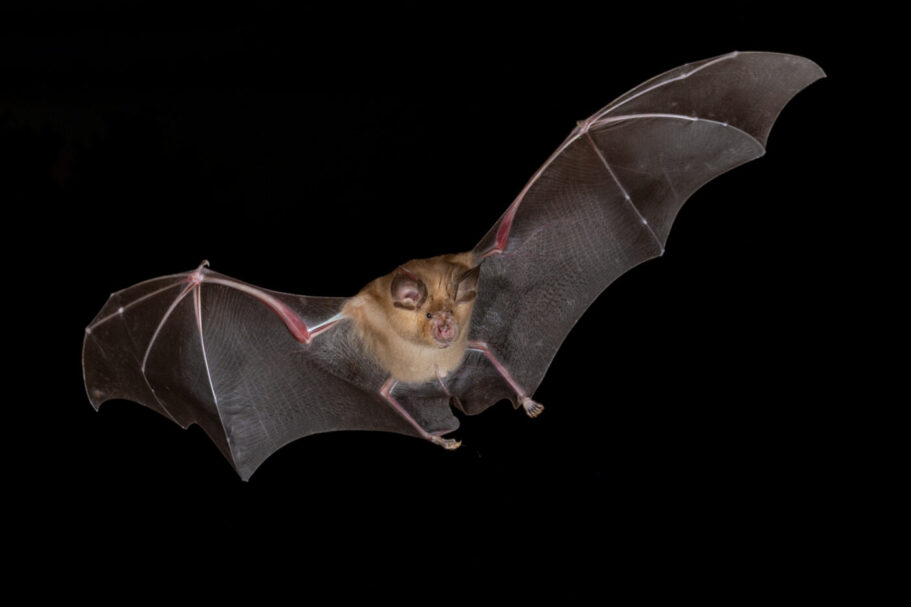
They fly through the darkness, navigate using sound and have a family history dating back 65 million years. What's not to love?
UNC Charlotte bioinformatics researcher Laurel Yohe helped unravel the evolutionary mysteries of bats as part of an international study published in Nature. By analyzing 103 bat genomes and 44 fossils, researchers uncovered new clues about when bats developed their extraordinary abilities, including flight and echolocation.
And the story doesn't end there. Charlotte students are traveling to Vietnam to study bats and the pathogens they carry.
The Tick Hunters: They're Out for Blood
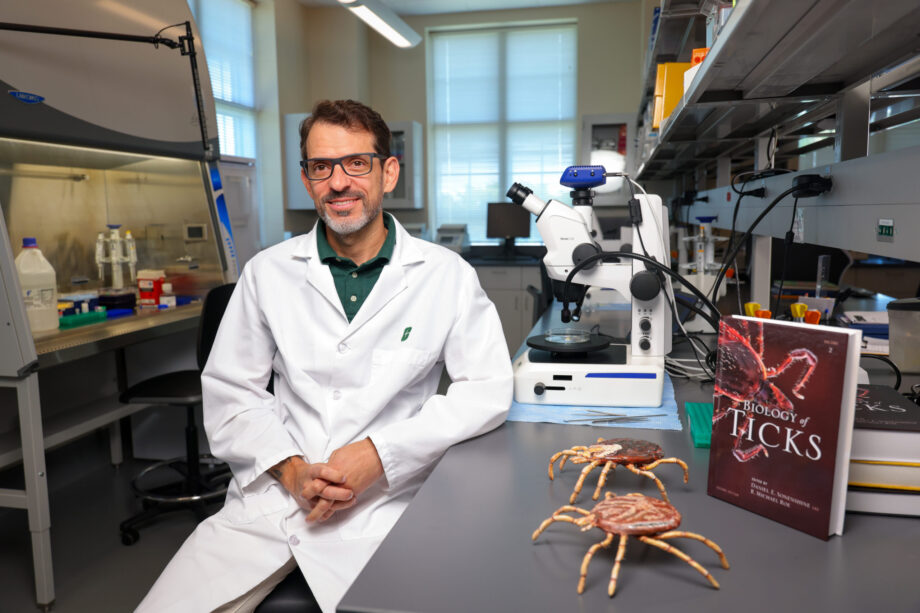
They're tiny. They're sneaky. And they're waiting in the grass.
Meet the real-life monster hunters tracking bloodsucking ticks across Mecklenburg County. Led by UNC Charlotte researcher Rafael Vieira, students are collecting these creepy crawlers from local parks and greenways to determine the disease-causing pathogens they might be carrying.
With nearly 500 ticks collected by late June, the team is helping protect the community from threats hiding in plain sight.
Eight Legs and a Thousand Creepy Crawlies
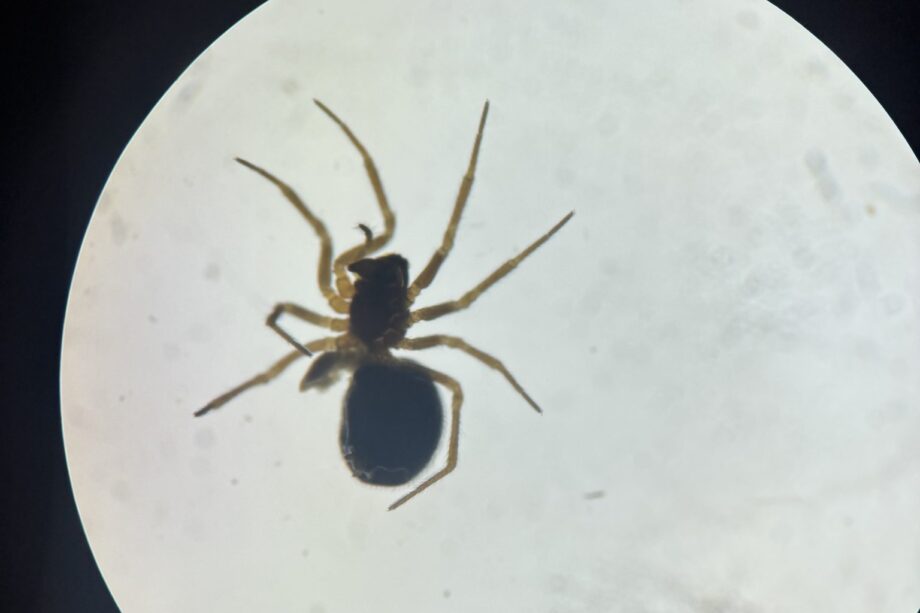
What's lurking beneath the leaves at UNC Charlotte's Botanical Gardens? More than you might think.
Undergraduate researcher Hope Hulse and biologist Sarah Stellwagen spent a year investigating spider biodiversity in the gardens. Using traps hidden among moss, ferns and Virginia creeper, they collected and processed more than 1,500 arthropod specimens.
Their discoveries are helping scientists understand how different habitats support these eight-legged residents and other tiny creatures. Don't worry. Most of them are more interested in insects than in you.
Face Your Fears: When AI Steals Your Identity
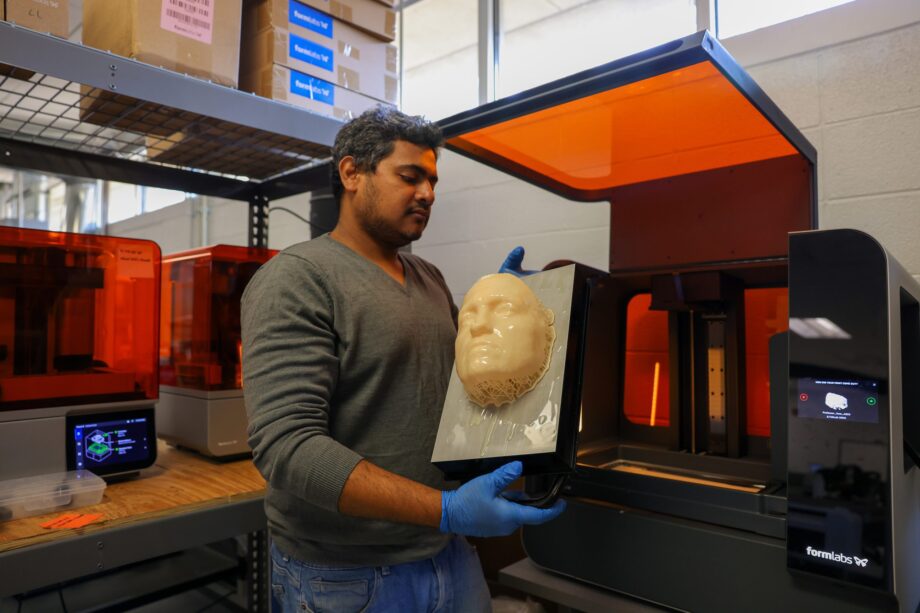
Forget the creepy mask hanging in the Halloween store. What if someone could create a face that looks exactly like yours?
At UNC Charlotte, biometrics pioneer Stephanie Schuckers and her team are investigating AI-generated deepfakes, realistic masks and digitally altered faces that can fool identity-verification technology.
By thinking like hackers, researchers are developing new ways to distinguish real people from convincing impostors. It's the stuff of science fiction. Except it's happening right now.
The Fungus Among Us
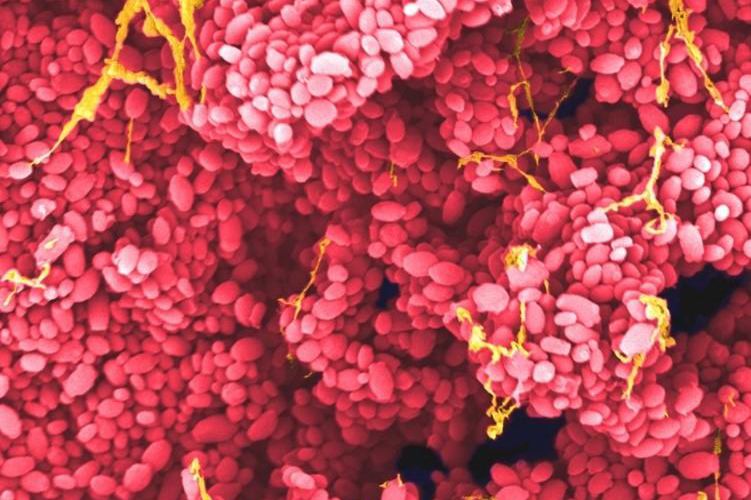
It can survive on surfaces for months. It can hitch a ride on unsuspecting humans. And some strains resist common antifungal medications.
Meet Candida auris, a microscopic fungus with a frightening ability to persist in health care environments.
UNC Charlotte microbiologist Morgan Carter explains how this emerging pathogen spreads, why it's so difficult to treat and what scientists are learning about protecting vulnerable patients.
No haunted house required. This one's real.
Something Sinister in Your Salad?

Here's a Halloween surprise you definitely don't want in your trick-or-treat bag — or on your dinner plate.
The microscopic parasite Cyclospora can contaminate fresh produce and cause intestinal illness. Tracking down the source of an outbreak can be a scientific mystery.
UNC Charlotte bioinformatics expert Dan Janies is helping explain how genomics and advanced laboratory testing can help investigators identify these invisible threats. Suddenly, the monster under the bed doesn't seem quite so frightening.
Why Do We Love Being Scared?
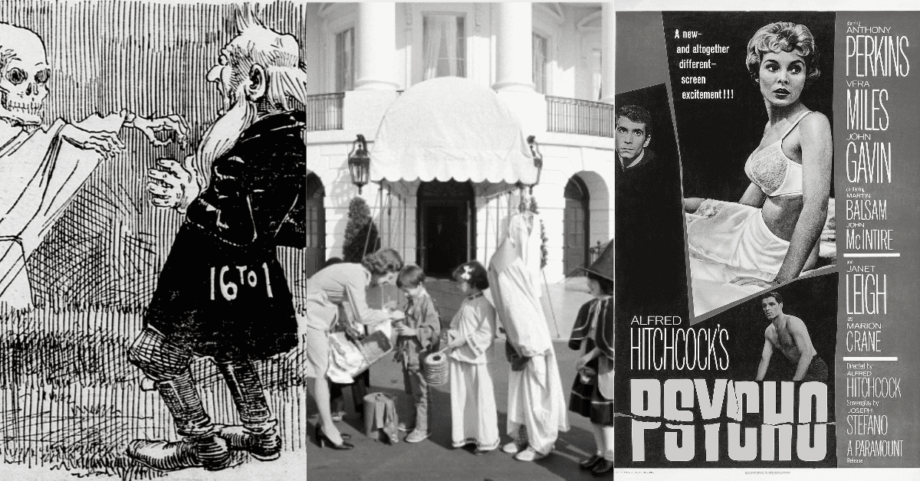
Ghosts. Haunted houses. Horror movies. Things that go bump in the night. If being frightened feels so awful, why do we keep coming back for more?
UNC Charlotte professor Heather Freeman and film lecturer Jay Morong explore the history of Halloween and horror entertainment, from ancient traditions and Gothic literature to the movies that still send chills down our spines. Turns out, what scares us says quite a bit about who we are.
That's what we call scary smart. Happy Halloween, Niner Nation.