UNC Charlotte Botanical Gardens
60 years of propagation, preservation and scientific research
After 60 years of sustained growth and evolution, The UNC Charlotte Botanical Gardens is no longer a campus hidden gem.
It may be hidden in the literal sense, its 10 acres nestled underneath a dense canopy of trees makes it indistinguishable from the rest of North Carolina’s urban research campus. But for those who know — it is no secret.
Plant people – green thumb gardeners to botanists and horticulturists – from across the state know it for its propagation and preservation of rare plants. Nationally recognized researchers regard it as a living laboratory. Six decades of students, faculty, staff and community members appreciate it as a place of peace where they can truly connect with nature.
The UNC Charlotte Botanical Gardens are the only true botanical gardens in the Charlotte region. Spurred by the University’s founding figures — Herbert Hechenbleikner, Ralph Van Landingham and Bonnie Cone — it has grown alongside the University, supporting research and a growing campus community, while evolving to become a tourist destination in the University City area.
While a university does not have a soul, it has a style and a demeanor that affect the lives of its students, of its faculty, and the whole of society. Its style, if it is to achieve its purposes, must stir the soul and lift the spirit of the individual. As we build classrooms, libraries, gymnasiums, and dormitories, we delight in the additions of gardens, lakes, and carillons as parts of our style and our environment.”
- Chancellor Dean Colvard during the Van Landingham Glen dedication, 1969
Origins of the Gardens
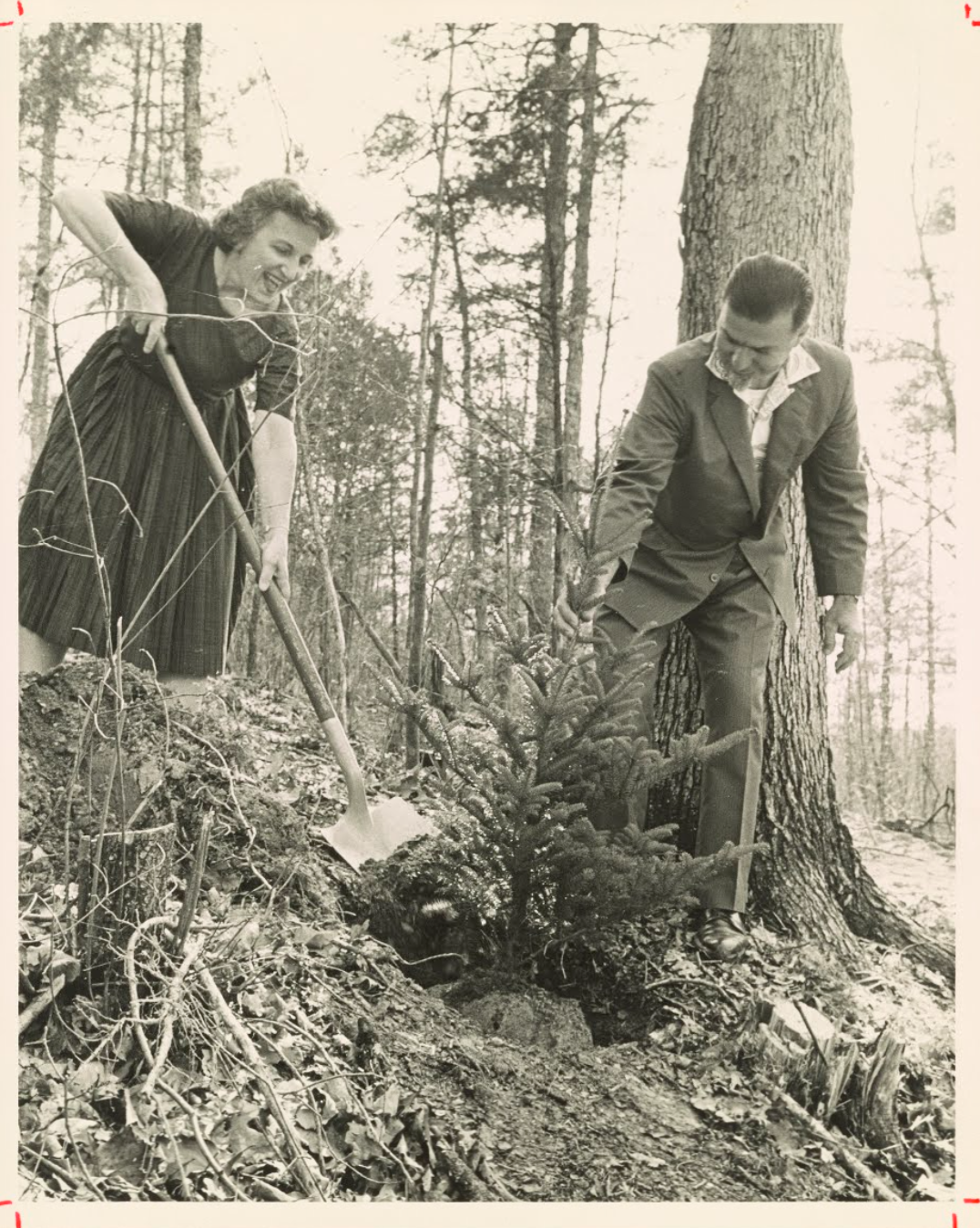
Bonnie Cone and Herbert Hechenbleikner, professor of biology and head landscape planner, planted the first botanical specimen during Arboretum Dedication March 31, 1963. The arboretum would inspire the creation of UNC Charlotte’s Botanical Gardens.
The UNC Charlotte Botanical Gardens’ story begins in 1964 with Van Landingham and Hechenbleikner — two rhododendron enthusiasts with a vision for untouched acreage on Charlotte’s newly minted UNC system school.
Hech, an outdoor enthusiast, took time away from his classroom to scout the location of the Gardens.
Van Landingham wrote to Bonnie Cone in 1966 wanting a campus garden, built by Hech, to highlight rhododendrons. That same year they broke ground on a garden to include 120 hybrid rhododendrons, azaleas, hemlocks, hollies and other companion plants.
The growth of the plant collection at the Botanical Gardens could be attributed in large part to the work of these two men and a shared passion for horticulture that gave way to adventure.
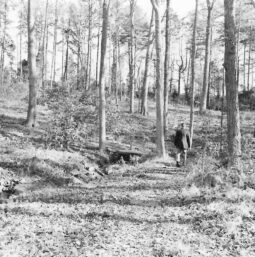
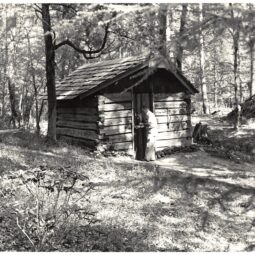
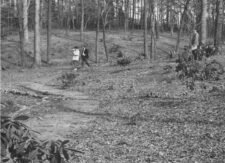
Left: Hechenbleikner walks through untouched woods towards a bridge he built (1966) Right: Hech walks into the cabin he built himself in Van Landingham Glen which still stands today (1972).
Origins of the Gardens
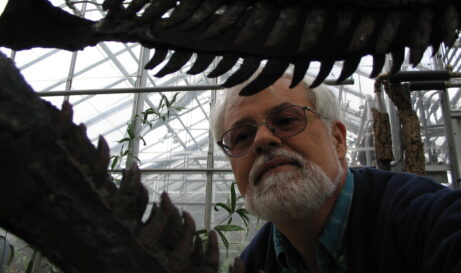
Larry Mellichamp with the dino sculpture in the McMillan Greenhouse
In 1967, a young man named Larry Mellichamp enrolled in Hech’s plant biology class. Mellichamp would eventually rise to become Director of the Botanical Gardens, but before then he was Hech’s student protege. Hech and Mellichamp would go on excursions across North Carolina, from the mountains to the coast, collecting native plants to add to the Gardens.
Hech traveled to China and returned with rhododendrons and a fascination with Asian-inspired architecture. This trip inspired the creation of the Asian Garden in 1980 and the iconic Moon Gate that resides in the Susie Harwood Gardens.
In 1983, Mellinchamp traveled to the largest island in Asia, Borneo in Indonesia, and returned with over 100 plants, including orchids. He would also travel to South Africa to collect cacti that would initiate the cactus room in McMillan Greenhouse.
“You look at Bonnie Cone, who made things happen through the people she gathered, Hech was similar in taking the initiative to get things done, and Larry continued that. That culture stayed.”
- Paula Gross, former Botanical Gardens assistant director.
Timeline of Expansion
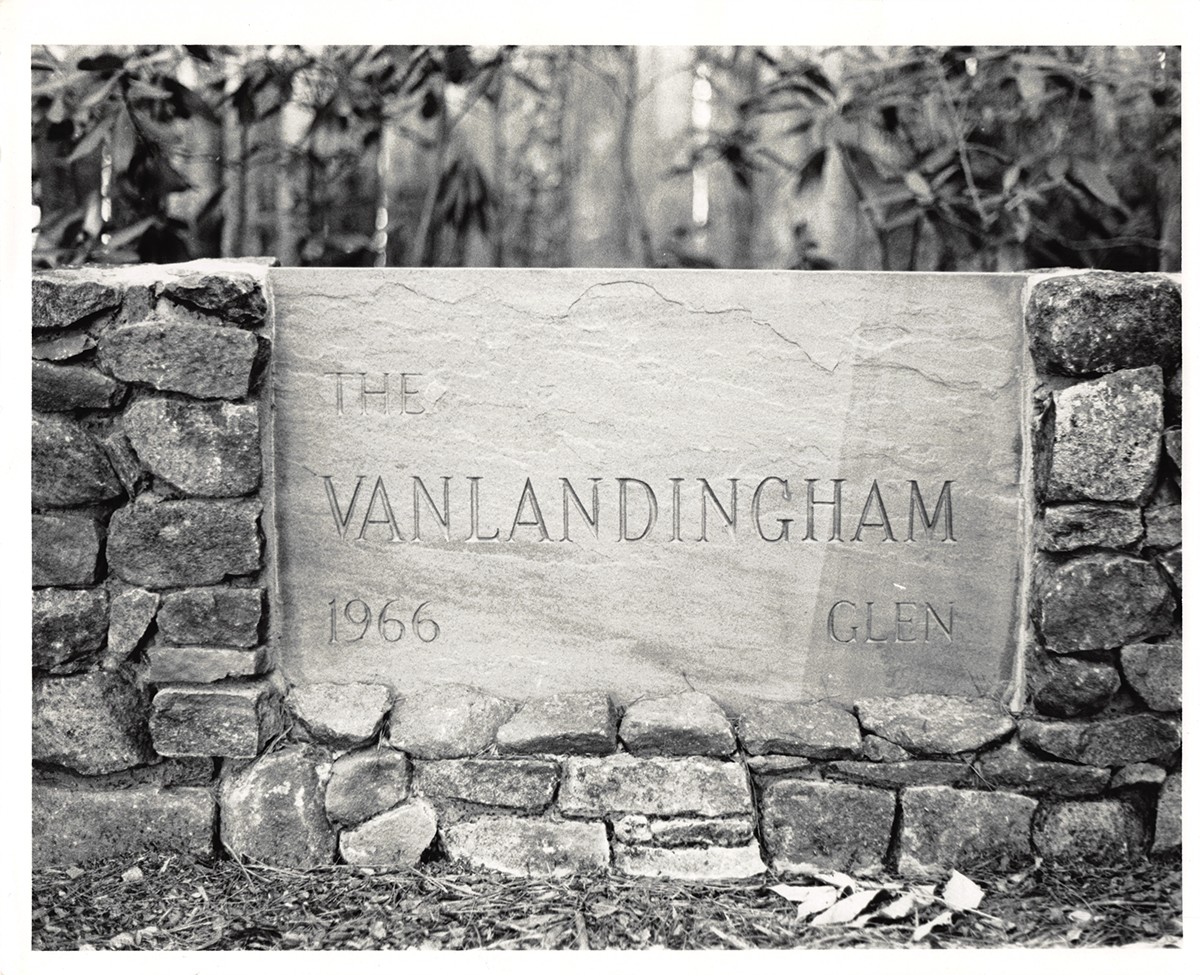
$150,000 endowment from Van Landingham allowed the Glen and Susie Harwood Gardens to grow.
A generous gift from Dorothy and Thomas McMillan, psychiatrist and land developer, gave birth to the McMillan Greenhouse.

The $405,000 “new” greenhouse breaks ground.
Timeline of Expansion
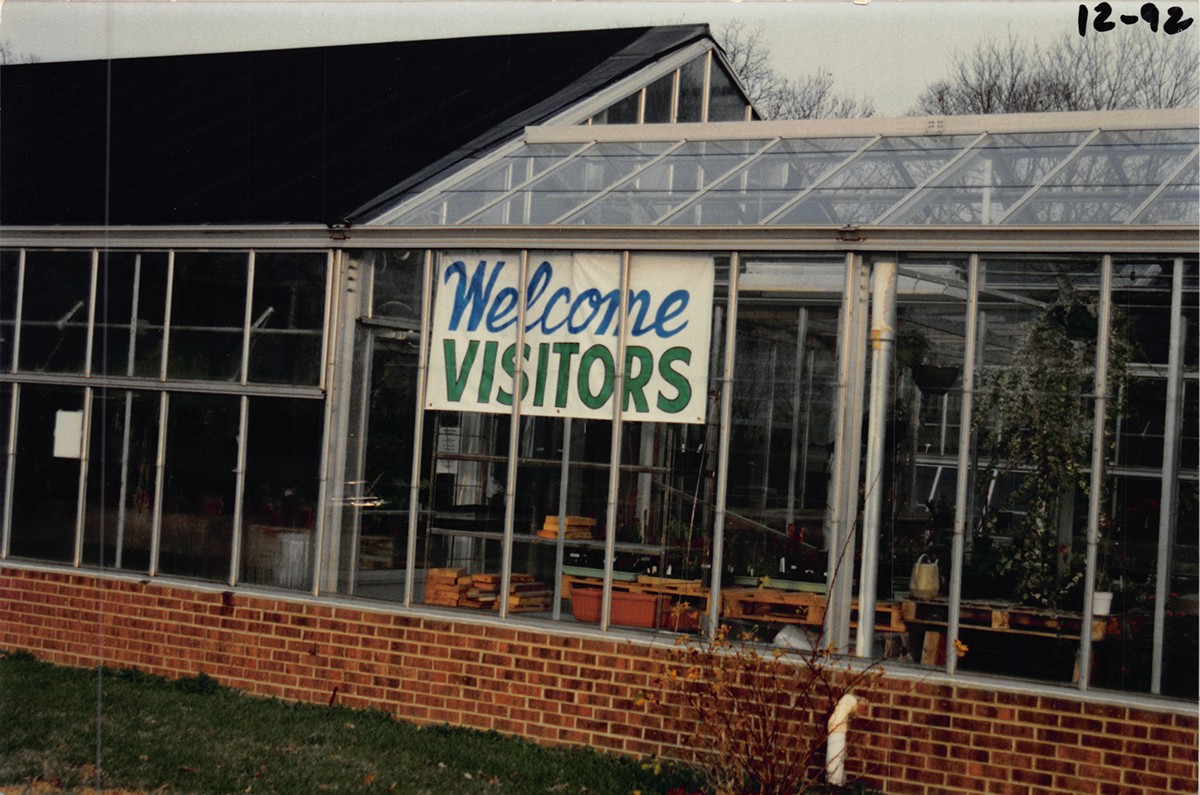
The Botanical Gardens holds its first public open house showcasing the Van Landingham Glen, Susie Harwood Gardens and McMillan Greenhouse.

Rainforest conservatory built in McMillan Greenhouse.
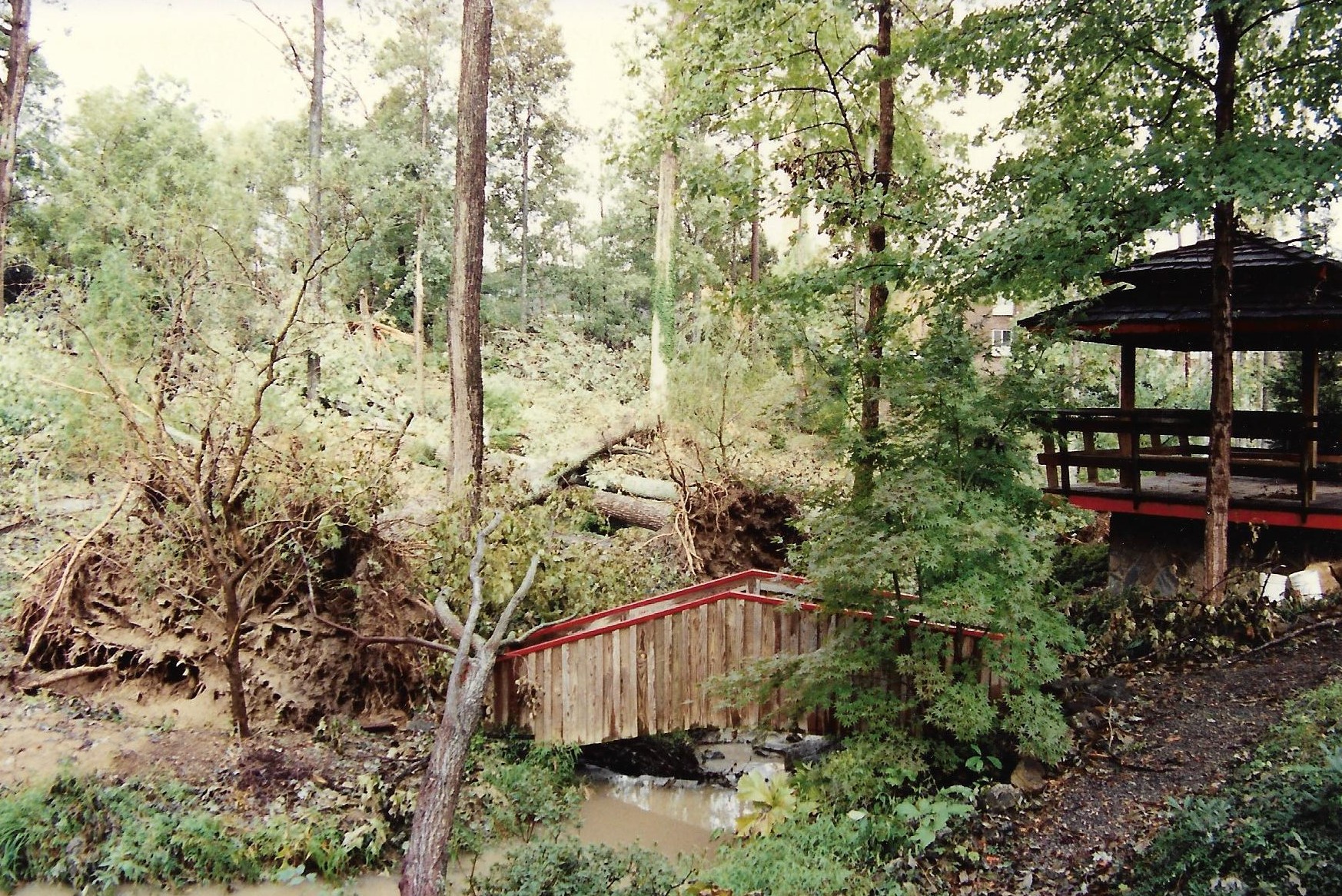
Hurricane Hugo wrecks the Garden’s dense tree canopy and destroying the bridge Hech built. It took two years to clean up the Glen.
Timeline of Expansion
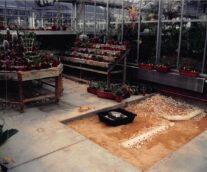
Butterfly garden, cactus room and rainforest collection grows to 400.
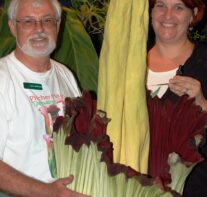
First Titan Arum, “Bella,” blooms.
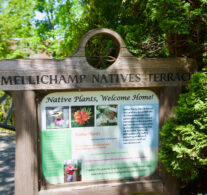
The Mellichamp Native Terrace Garden opens.
Timeline of Expansion
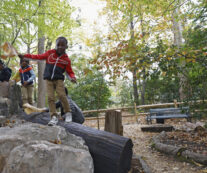
Polly Rogers Memorial Sensory Garden opens.
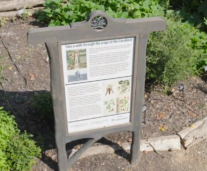
The Carolina Garden Trail opens.
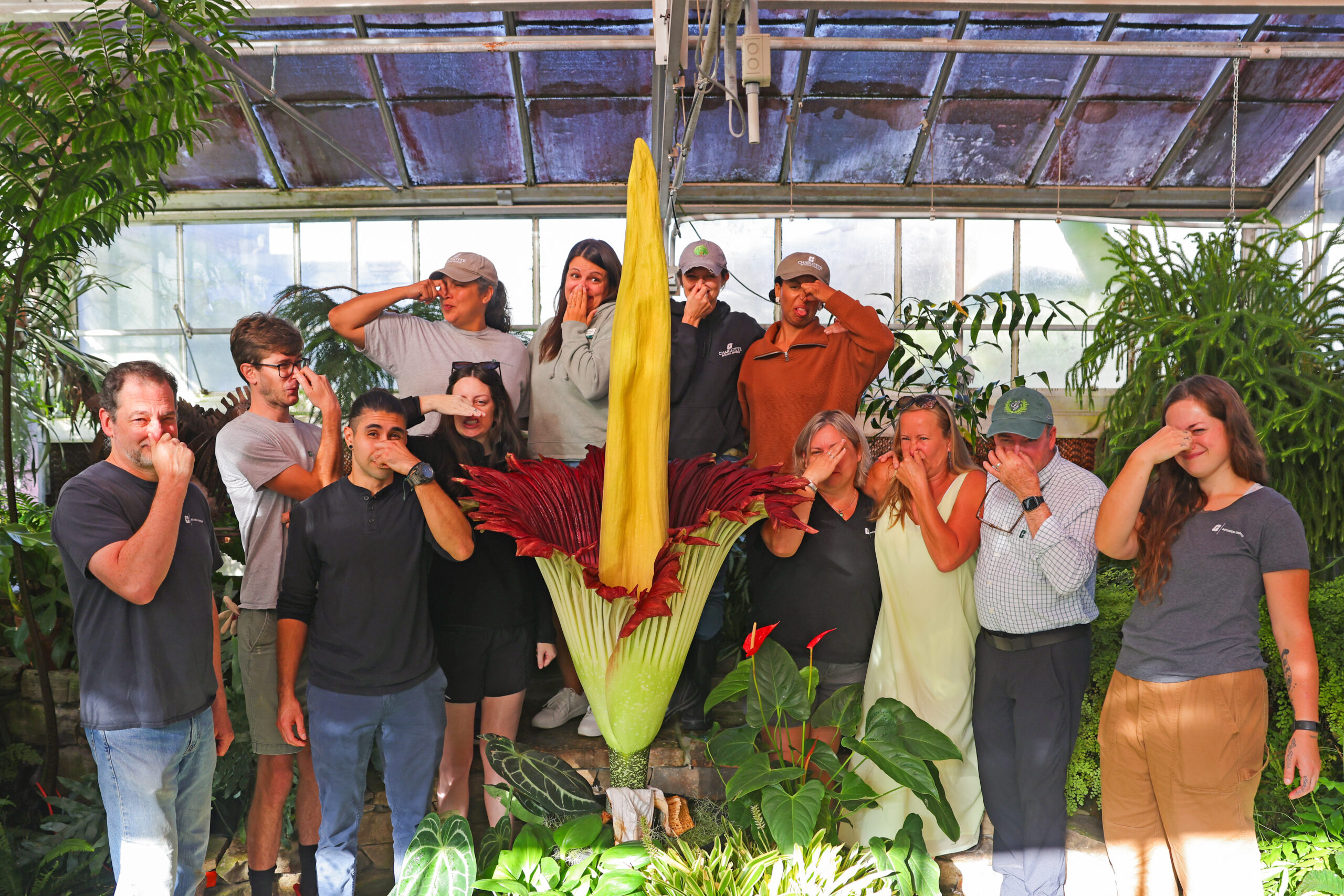
Back-to-back Titan Arum Blooms: Cadavera (Oct. '25), Smellvis (April '26).
“The Van Landingham Glen is reflective of what our habitat would be without all the disturbance — an idealized eastern woodland forest. You could go in there and find true solace, comfort and quiet reflection, which our souls need. That is why it is so precious.”
- Paula Gross
Research
The UNC Charlotte Botanical Gardens is a living laboratory for a Research 1 institution on the rise. The biodiversity of the Gardens is ripe for the study of microbiology, botany and ecological systems.
The rest of campus, like any university campus, tends to be very manicured, green lawns, mulched beds. But the Botanical Gardens is managed chaos in a beautiful way.”
Morgan Carter
Assistant professor in biological sciences
Research
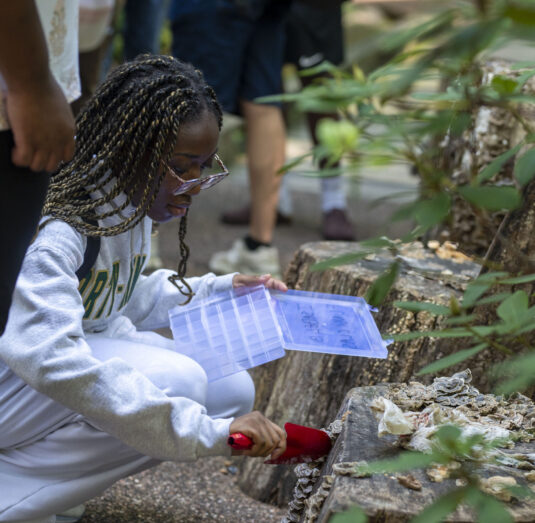
The overturned logs around Heckenblieker’s log cabin are a hot spot for Turkeytail fungi.
First-year students in Morgan Carter’s entry level course, Thinking Scientifically for College Success, collect and catalog fungi in the Botanical Gardens, which forms baseline data for Carter’s NSF funded research into microbes. The Susie Harwood Gardens, shaded by canopy and damp from sprinklers, is a breeding ground for fungi of various kinds.
“It's this perfect little experimental setup to tie in those observations that you're trying to get them to think through,” Carter said. “You can teach it in a textbook, but coming out here and seeing it is different.”
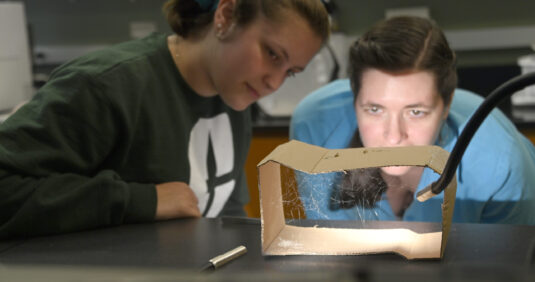
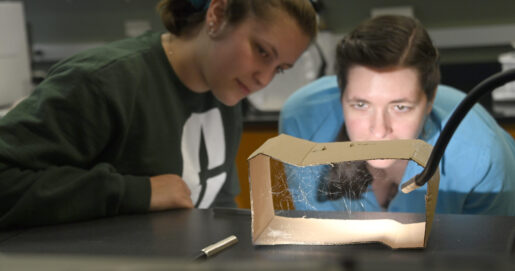
Spider and insect research also thrives in the Gardens’ diverse habitats. “The Botanical Gardens offer students the opportunity to study complex ecological systems without having to leave campus,” said Sarah Stellwagen, assistant professor of biological sciences. “The Botanical Gardens are like open-air classrooms, where students can test hypotheses, observe biodiversity, and contribute to meaningful research.”
Research
When "Cadavera" and "Smellvis," two rare titan arums, reached full bloom, they attracted thousands of curious visitors throughout the region while offering researchers an extraordinary scientific opportunity.
Chemistry scholars gathered atmospheric samples to isolate the distinct molecular compounds behind their powerful aroma, utilizing scanning electron microscopy to study the unique, sticky properties of the corpse flower's pollen grains.
“I'm just always impressed when I come out here. I like how it's always evolving and how they engage the community with an appreciation of nature.”
Debbie Isaacs ’80 has given to the Botanical Gardens for nearly a decade.
When she first walked through the Botanical Gardens as a student she was struck by the beauty of the rhododendrons. Back then, she said, it truly was a hidden gem on campus. Isaacs reconnected with the Gardens around 2008 when she and her husband, Mark Isaacs ’80, moved closer to Charlotte to be near their daughter, Amanda ’08, who was attending the University.
Debbie didn’t truly appreciate the Gardens until 2015, after her mother died. She took a tour with Botanical Gardens Director Jeff Gillman and learned about the Gardens’ memorial trees. Isaacs devoted a tree to her parents located in Van Landingham Glen: an Eastern Redbud, a small tree native to the East Coast that blooms pink and purple flowers. Memorial trees require an essay which gave Isaacs to reflect on her parents and the love of nature she inherited from them.
“I started writing and it just brought back so many memories of my parents, how much they love gardening, and how it makes you feel closer to God. It gives you a wonderful feeling,” Isaacs said.
Here at the Botanical Gardens, we absolutely love to engage with everyone. From professors to students and visitors of all ages, we want to show what nature in general, and the plant world in particular, has to offer”
- Jeff Gillman, director of the UNC Charlotte Botanical Gardens
Community
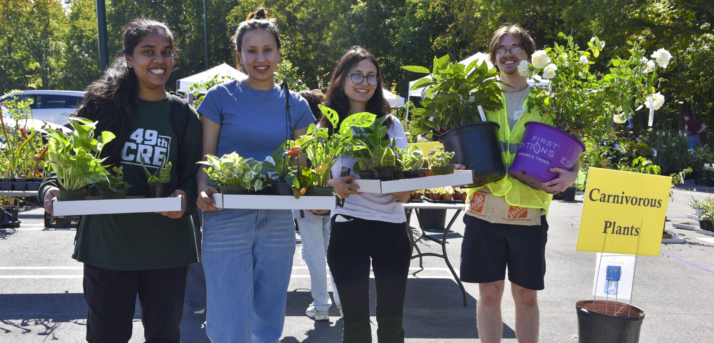
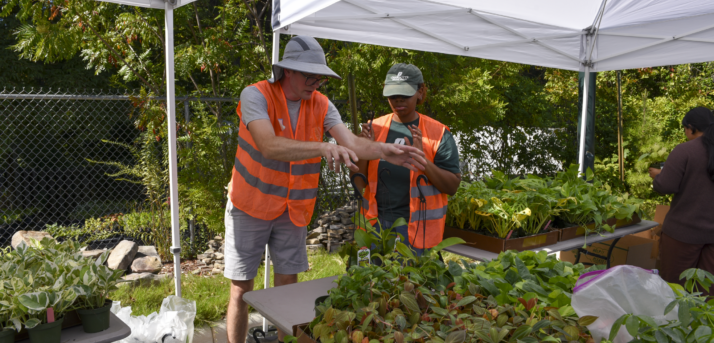
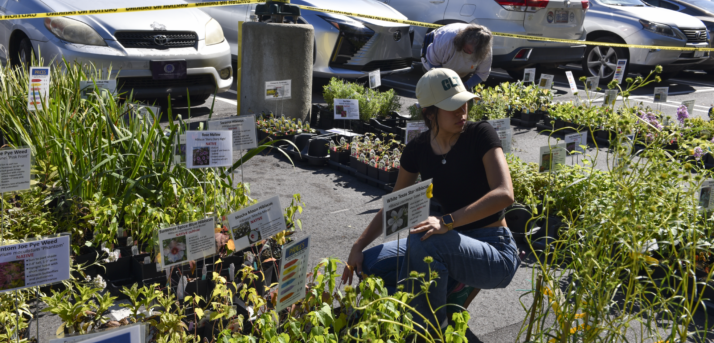
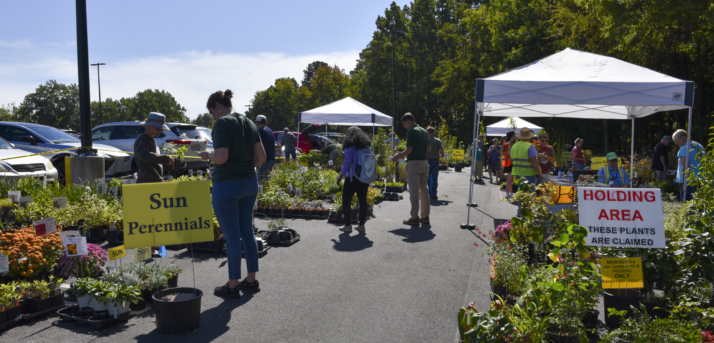
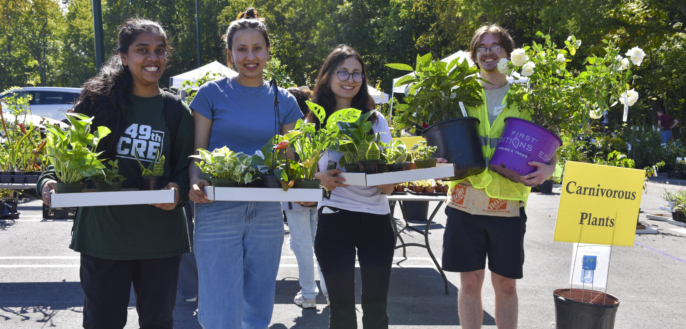
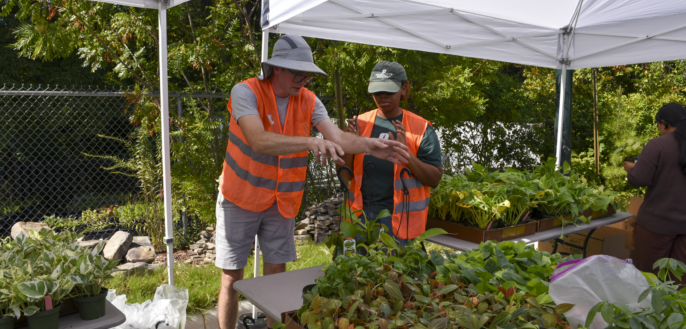
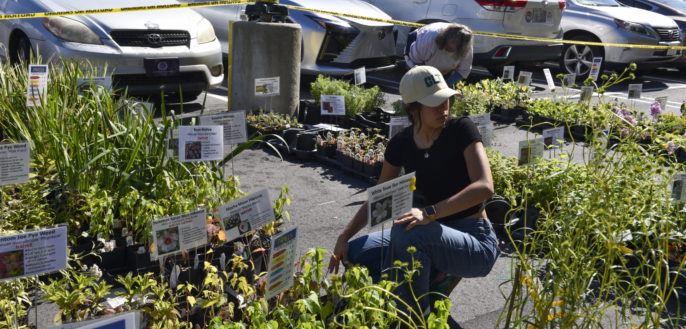
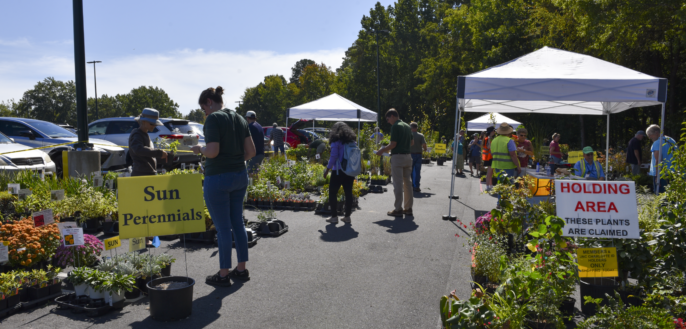
Free and open to the public, the Botanical Gardens welcome tens of thousands of visitors each year, hosting over 300 weddings and photography sessions alongside roughly 135 tours. Annual plant sales offer members and campus community early access with expert volunteer assistance. Through these offerings, workshops and educational programs, the Gardens continuously connect the University with the broader community.
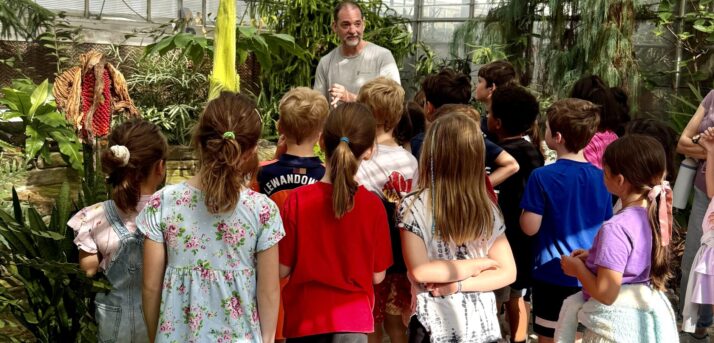
For 60 years, the Botanical Gardens have been a place where discovery, education and community come together. The gardens support collaborative research by faculty across the Klein College of Science while providing students with opportunities to learn in a living laboratory unlike any other. As we look to the future, the new greenhouse and visitor center will expand opportunities for research, teaching and public engagement, ensuring that these 10 acres continue to inspire scientific discovery and welcome visitors for generations to come."
- Bernadette Donovan-Merkert, founding dean, Klein College of Science
What makes the UNC Charlotte Botanical Gardens truly special is the way beauty, research and education intersect. It is a sanctuary, a classroom, a laboratory and a community resource, all rooted in UNC Charlotte’s mission to expand knowledge and share it widely.
As the Gardens continue to grow in their 60th year, so does the impact on students, faculty and visitors who discover something new with every visit to the living classroom.
By Alex Reynolds
Photography: Amy Hart, Kat Lawrence, Alex Reynolds and Courtesy of the Botanical Gardens
Web Production: Alex Reynolds

UNC Charlotte Botanical Gardens
60 years of propagation, preservation and scientific research
After 60 years of sustained growth and evolution, The UNC Charlotte Botanical Gardens is no longer a campus hidden gem.
It may be hidden in the literal sense, its 10 acres nestled underneath a dense canopy of trees makes it indistinguishable from the rest of North Carolina’s urban research campus. But for those who know — it is no secret.
Plant people – green thumb gardeners to botanists and horticulturists – from across the state know it for its propagation and preservation of rare plants. Nationally recognized researchers regard it as a living laboratory. Six decades of students, faculty, staff and community members appreciate it as a place of peace where they can truly connect with nature.
The Gardens are the only true botanical gardens in the Charlotte region. The Gardens, spurred by the University’s founding figures — Herbert Hechenbleikner, Ralph Van Landingham and Bonnie Cone, has grown alongside the University, supporting research and a growing campus community, while evolving to become a tourist destination in the University City area.
While a university does not have a soul, it has a style and a demeanor that affect the lives of its students, of its faculty, and the whole of society. Its style, if it is to achieve its purposes, must stir the soul and lift the spirit of the individual. As we build classrooms, libraries, gymnasiums, and dormitories, we delight in the additions of gardens, lakes, and carillons as parts of our style and our environment.”
- Chancellor Dean Colvard during the Van Landingham Glen dedication, 1969
Origins of the Gardens
Bonnie Cone and Herbert Hechenbleikner, professor of biology and head landscape planner, planted the first botanical specimen during Arboretum Dedication March 31, 1963. The arboretum would inspire the creation of UNC Charlotte’s Botanical Gardens.
The UNC Charlotte Botanical Gardens’ story begins in 1964 with Van Landingham and Hechenbleikner — two rhododendron enthusiasts with a vision for untouched acreage on Charlotte’s newly minted UNC system school.
Hech, an outdoor enthusiast, took time away from his classroom to scout the location of the Gardens.
Van Landingham wrote to Bonnie Cone in 1966 wanting a campus garden, built by Hech, to highlight rhododendrons. That same year they broke ground on a garden to include 120 hybrid rhododendrons, azaleas, hemlocks, hollies and other companion plants.
The growth of the plant collection at the Botanical Gardens could be attributed in large part to the work of these two men and a shared passion for horticulture that gave way to adventure.
Left: Hechenbleikner walks through untouched woods towards a bridge he built (1966) Right: Hech walks into the cabin he built himself in Van Landingham Glen which still stands today (1972).
Origins of the Gardens
Larry Mellichamp with the dino sculpture in the McMillan Greenhouse
In 1967, a young man named Larry Mellichamp enrolled in Hech’s plant biology class. Mellichamp would eventually rise to become Director of the Botanical Gardens, but before then he was Hech’s student protege. Hech and Mellichamp would go on excursions across North Carolina, from the mountains to the coast, collecting native plants to add to the Gardens.
Hech traveled to China and returned with rhododendrons and a fascination with Asian-inspired architecture. This trip inspired the creation of the Asian Garden in 1980 and the iconic Moon Gate that resides in the Susie Harwood Gardens.
In 1983, Mellinchamp traveled to the largest island in Asia, Borneo in Indonesia, and returned with over 100 plants, including orchids. He would also travel to South Africa to collect cacti that would initiate the cactus room in McMillan Greenhouse.
“You look at Bonnie Cone, who made things happen through the people she gathered, Hech was similar in taking the initiative to get things done, and Larry continued that. That culture stayed.”
- Paula Gross, former Botanical Gardens assistant director.
Timeline of Expansion
$150,000 endowment from Van Landingham allowed the Glen and Susie Harwood Gardens to grow.
A generous gift from Dorothy and Thomas McMillan, psychiatrist and land developer, gave birth to the McMillan Greenhouse.

The $405,000 “new” greenhouse breaks ground.
The Botanical Gardens holds its first public open house showcasing the Van Landingham Glen, Susie Harwood Gardens and McMillan Greenhouse.

Rainforest conservatory built in McMillan Greenhouse.
Hurricane Hugo wrecks the Garden’s dense tree canopy and destroying the bridge Hech built. It took two years to clean up the Glen.
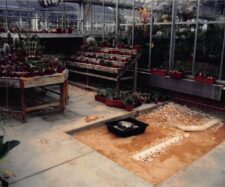
Butterfly garden, cactus room and rainforest collection grows to 400.
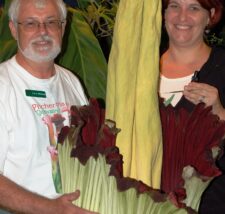
First Titan Arum, “Bella,” blooms.
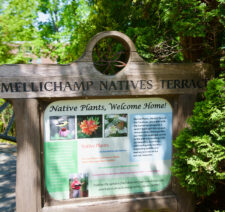
The Mellichamp Native Terrace Garden opens.
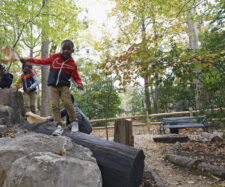
Polly Rogers Memorial Sensory Garden opens.
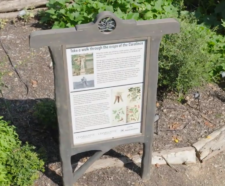
The Carolina Garden Trail opens.
Back-to-back Titan Arum Blooms: Cadavera (Oct. '25), Smellvis (April '26).
“The Van Landingham Glen is reflective of what our habitat would be without all the disturbance — an idealized eastern woodland forest. You could go in there and find true solace, comfort and quiet reflection, which our souls need. That is why it is so precious.”
- Paula Gross
Research
The UNC Charlotte Botanical Gardens is a living laboratory for a Research 1 institution on the rise. The biodiversity of the Gardens is ripe for the study of microbiology, botany and ecological systems.
The rest of campus, like any university campus, tends to be very manicured, green lawns, mulched beds. But the Botanical Gardens is managed chaos in a beautiful way.”
Morgan Carter
Assistant professor in biological sciences
Research
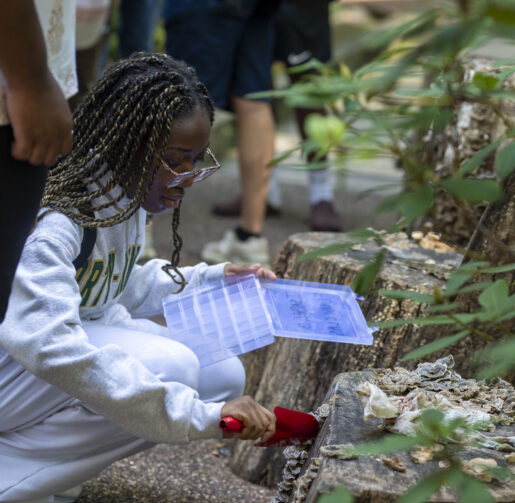
The overturned logs around Heckenblieker’s log cabin are a hot spot for Turkeytail fungi.
First-year students in Morgan Carter’s entry level course, Thinking Scientifically for College Success, collect and catalog fungi in the Botanical Gardens, which forms baseline data for Carter’s NSF funded research into microbes. The Susie Harwood Gardens, shaded by canopy and damp from sprinklers, is a breeding ground for fungi of various kinds.
“It's this perfect little experimental setup to tie in those observations that you're trying to get them to think through,” Carter said. “You can teach it in a textbook, but coming out here and seeing it is different.”
Spider and insect research also thrives in the Gardens’ diverse habitats. “The Botanical Gardens offer students the opportunity to study complex ecological systems without having to leave campus,” said Sarah Stellwagen, assistant professor of biological sciences. “The Botanical Gardens are like open-air classrooms, where students can test hypotheses, observe biodiversity, and contribute to meaningful research.”
Research
When "Cadavera" and "Smellvis," two rare titan arums, reached full bloom, they attracted thousands of curious visitors throughout the region while offering researchers an extraordinary scientific opportunity.
Chemistry scholars gathered atmospheric samples to isolate the distinct molecular compounds behind their powerful aroma, utilizing scanning electron microscopy to study the unique, sticky properties of the corpse flower's pollen grains.
“I'm just always impressed when I come out here. I like how it's always evolving and how they engage the community with an appreciation of nature.”
Debbie Isaacs ’80 has given to the Botanical Gardens for nearly a decade.
When she first walked through the Botanical Gardens as a student she was struck by the beauty of the rhododendrons. Back then, she said, it truly was a hidden gem on campus. Isaacs reconnected with the Gardens around 2008 when she and her husband, Mark Isaacs ’80, moved closer to Charlotte to be near their daughter, Amanda ’08, who was attending the University.
Debbie didn’t truly appreciate the Gardens until 2015, after her mother died. She took a tour with Botanical Gardens Director Jeff Gillman and learned about the Gardens’ memorial trees. Isaacs devoted a tree to her parents located in Van Landingham Glen: an Eastern Redbud, a small tree native to the East Coast that blooms pink and purple flowers. Memorial trees require an essay which gave Isaacs to reflect on her parents and the love of nature she inherited from them.
“I started writing and it just brought back so many memories of my parents, how much they love gardening, and how it makes you feel closer to God. It gives you a wonderful feeling,” Isaacs said.
Here at the Botanical Gardens, we absolutely love to engage with everyone. From professors to students and visitors of all ages, we want to show what nature in general, and the plant world in particular, has to offer”
- Jeff Gillman, director of the UNC Charlotte Botanical Gardens
Community
Free and open to the public, the Botanical Gardens welcome tens of thousands of visitors each year, hosting over 300 weddings and photography sessions alongside roughly 135 tours. Annual plant sales offer members and campus community early access with expert volunteer assistance. Through these offerings, workshops and educational programs, the Gardens continuously connect the University with the broader community.
For 60 years, the Botanical Gardens have been a place where discovery, education and community come together. The gardens support collaborative research by faculty across the Klein College of Science while providing students with opportunities to learn in a living laboratory unlike any other. As we look to the future, the new greenhouse and visitor center will expand opportunities for research, teaching and public engagement, ensuring that these 10 acres continue to inspire scientific discovery and welcome visitors for generations to come."
- Bernadette Donovan-Merkert, founding dean, Klein College of Science
What makes the UNC Charlotte Botanical Gardens truly special is the way beauty, research and education intersect. It is a sanctuary, a classroom, a laboratory and a community resource, all rooted in UNC Charlotte’s mission to expand knowledge and share it widely.
As the Gardens continue to grow in their 60th year, so does the impact on students, faculty and visitors who discover something new with every visit to the living classroom.
By Alex Reynolds
Photography: Amy Hart, Kat Lawrence, Alex Reynolds and Courtesy of the Botanical Gardens
Web Production: Alex Reynolds