
Making the ‘Right’ Turn:
Evan Kureczka ’09 fuels the human performance of NASCAR’s pit crew athletes
KEY TAKEAWAYS:
- Alumnus Evan Kureczka used professional connections to direct his career from athletic training at Charlotte to athletic director at Hendrick Motorsports.
- Kureczka defines how pit crews are top-tier athletes, and how they train in their new facility.
- NASCAR careers are a great fit for student-athletes.
Story by Tenille Dellinger, Video by J.D. Angel and Harrison Hieb, Photos by Kat Lawrence and provided by Hendrick Motorsports
Evan Kureczka ’09 knows his career was built by hard work, making the right connections and navigating life at 200 miles per hour. From a tailored shift in undergraduate studies to earning his merit as an athletic trainer, Kureczka seeks opportunities to stretch beyond his comfort zone while inching toward NASCAR’s checkered flag.
Making adjustments
At the start of Kureczka’s student journey at UNC Charlotte, he was focused on biology, with aspirations to become a physician assistant. That plan took a left turn when he was sidelined by an ankle injury while playing pickup basketball on campus. The recovery led to contemplation about his future career. After a visit to the Career Center, Kureczka learned more about athletic training, and how a career in that field aligned with his medical career aspirations.
“When you’re 18 years old, it’s hard to decide what you want to do for the rest of your life,” said Kureczka. “I thought I wanted to be a PA, but this injury helped me realize I could combine my lifelong love for sports with a desire to work in healthcare — and have a career that is interesting. And if I changed my mind, I could still go to graduate school and become a PA.”
During his redirected studies, Kureczka worked closely with student-athletes on campus — mostly the baseball team. Here, he made connections with other students and professionals that would shape his future career.
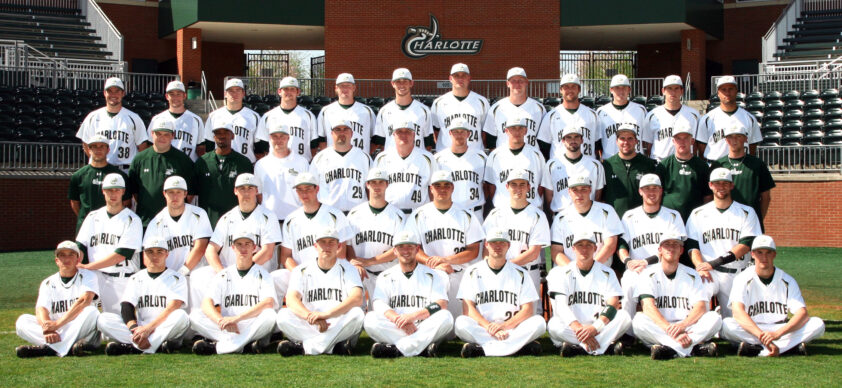
Kureczka — second row from top, fourth from left — and the 2010 Charlotte baseball team.
Note: The Commission on Accreditation of Athletic Training Education no longer recognizes athletic training as an undergraduate degree. Most students complete an undergraduate degree in a discipline such as exercise science to cover the required courses to pursue a graduate-level athletic training degree. Charlotte offers a Master of Science in Athletic Training; learn how to apply.
Full speed ahead
For three years after graduating, Kureczka continued to work with Charlotte Baseball as the team’s head athletic trainer. This led to a five-year athletic training position with OrthoCarolina, where he was, ironically, contracted back to UNC Charlotte to support student-athletes. He also worked with clinical patients and later became head athletic trainer at Stewart-Haas Racing for the OrthoCarolina motorsports division.
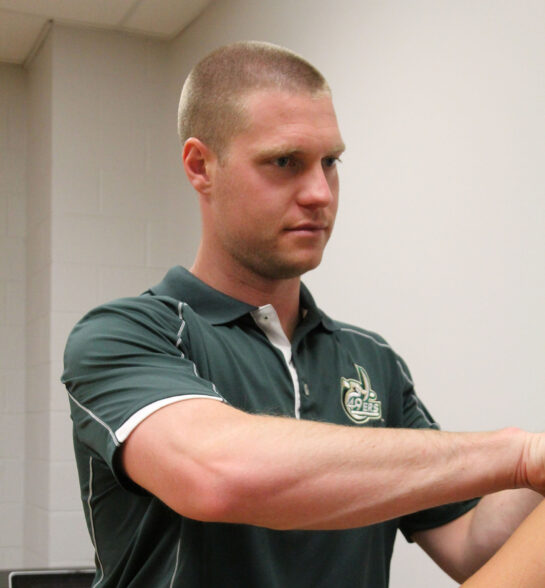
Kureczka assessing a patient while working for OrthoCarolina.
“Prior to my experience with OrthoCarolina, I didn’t realize the connection between motorsports and athletic abilities,” said Kureczka. “I grew up near Bowman Gray Stadium in Winston-Salem, but other than proximity, NASCAR wasn’t a huge part of my life. The first time I saw a pit stop in person, I realized how athletic these people are.”
Kureczka began working with pit crew members — pushing them through strength and agility training, rehabbing their injuries and helping them succeed as athletes. He even worked part time as pit crew support for Stewart-Haas Racing — helping exchange and refill gas cans during and after pit stops. That experience furthered his understanding of how each athlete needed to move and the physical toll of each position’s responsibilities.
While at OrthoCarolina, one of Kureczka’s clinical patients offered him the opportunity to tour the private car collection of Hendrick Motorsports owner, Rick Hendrick. He happily obliged, and asked to also see Hendrick Motorsports’ training facility. There, he met head strength and conditioning coach Mark Morrison, who saved Kureczka’s contact information. Morrison was looking to incorporate someone with athletic training knowledge into the weight room to better tailor training for the athletes and functionally reduce potential injuries. One year later, Morrison made the call.
In 2017, Kureczka joined Hendrick Motorsports as an athletic trainer and strength and conditioning coach. For almost four years, he became increasingly immersed in the ins and outs of NASCAR, and tailored workouts for pit crew athletes to achieve the overall goal: shave every millisecond possible from each action taken during a pit stop by developing the most efficient and functional athlete possible. After demonstrating great success as a trainer and coach, in 2020, Kureczka was promoted to athletic director — the role he holds today.
“I’ve been incredibly fortunate to have the career I’ve had,” said Kureczka. “As a guy who didn’t know much about NASCAR, but just kept saying ‘yes’ to opportunities that came from networking, I have built a career that I’m excited for each day.”
A productive weekly grind
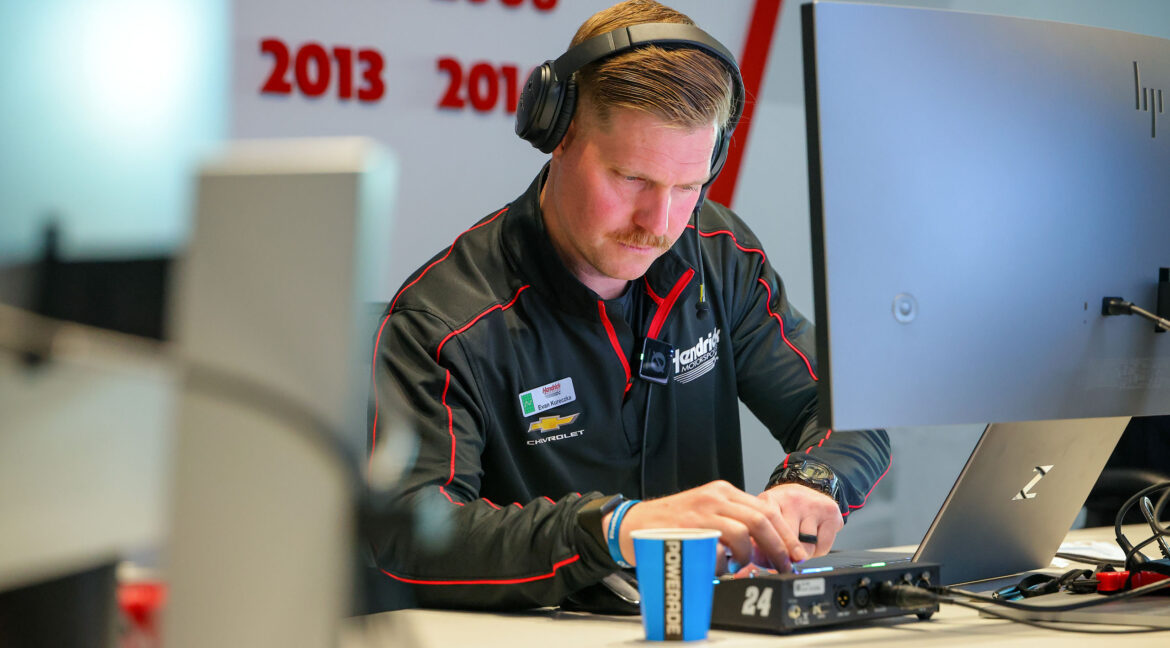
Kureczka’s typical week is fairly routine, though exhilarating.
A productive weekly grind
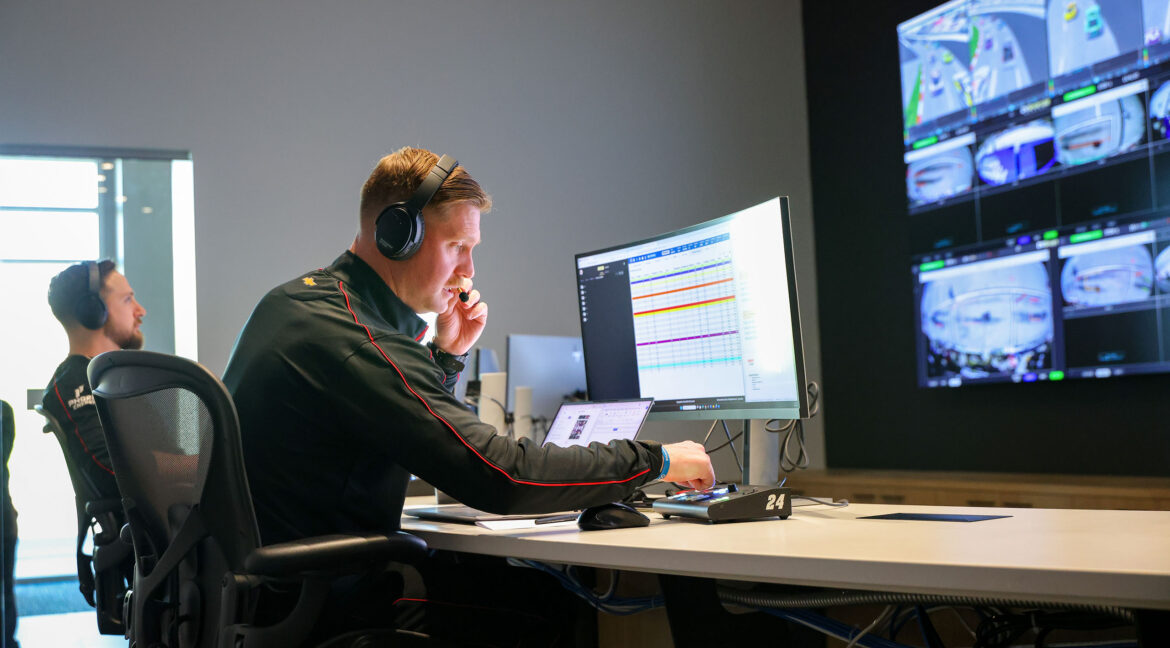
On Sundays, Kureczka and his team are in Hendricks’ command center where they watch that day’s race and pit stops in real time.
Cameras on the athletes and in the pit box provide the full picture of each stop; the team reviews the footage and relays feedback to the coaches at the track.
A productive weekly grind
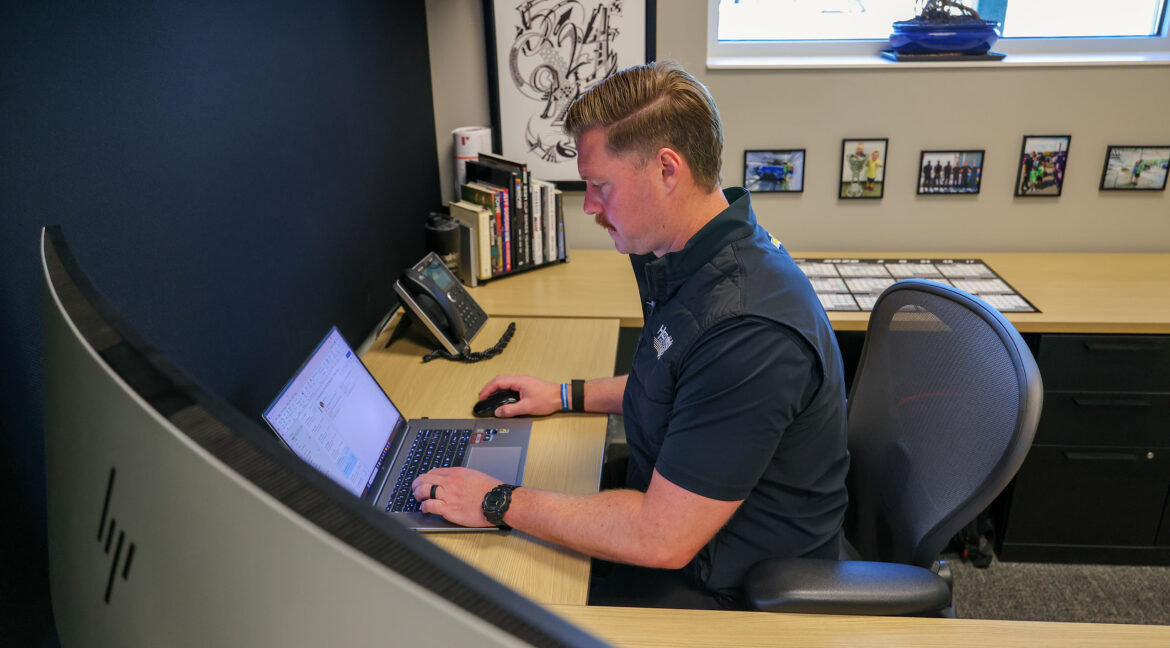
On Mondays, Kureczka and his team produce a 40-page report detailing the prior day’s race so crew chiefs and drivers can review the information and make adjustments for the next race.
He also meets with the medical team to review injuries or limitations for the athletes, and discusses other findings from the race.
A productive weekly grind
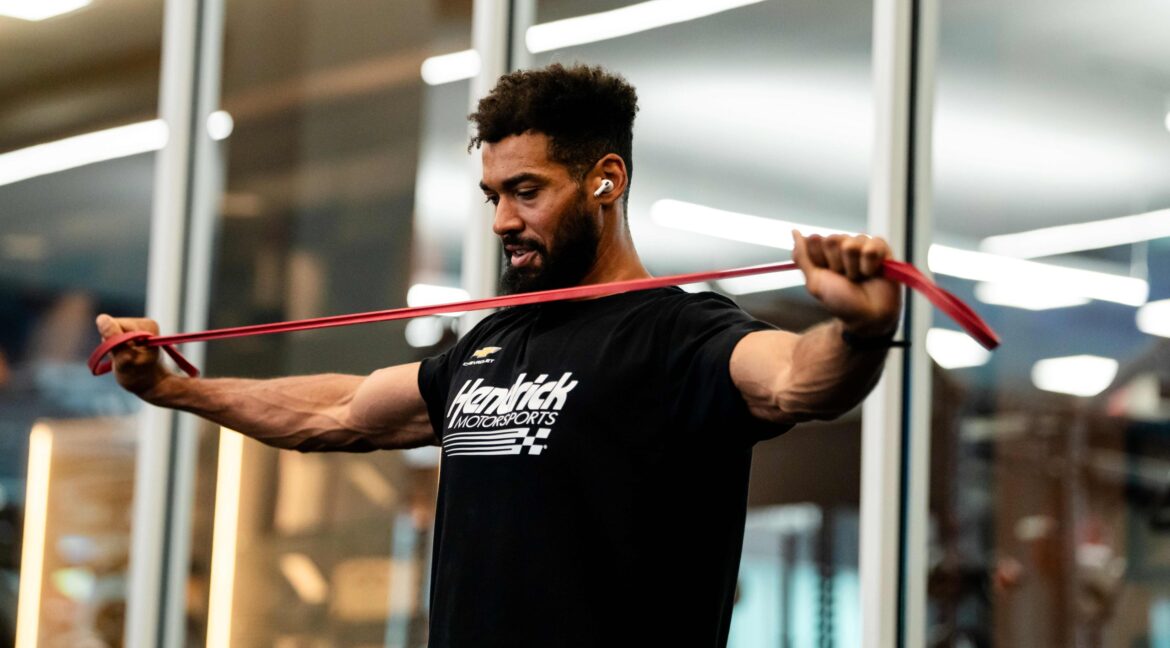
Throughout the week, Kureczka sits in on film review sessions, attends team practices and training sessions, and completes necessary paperwork and travel logistics to keep the team moving forward.
A productive weekly grind
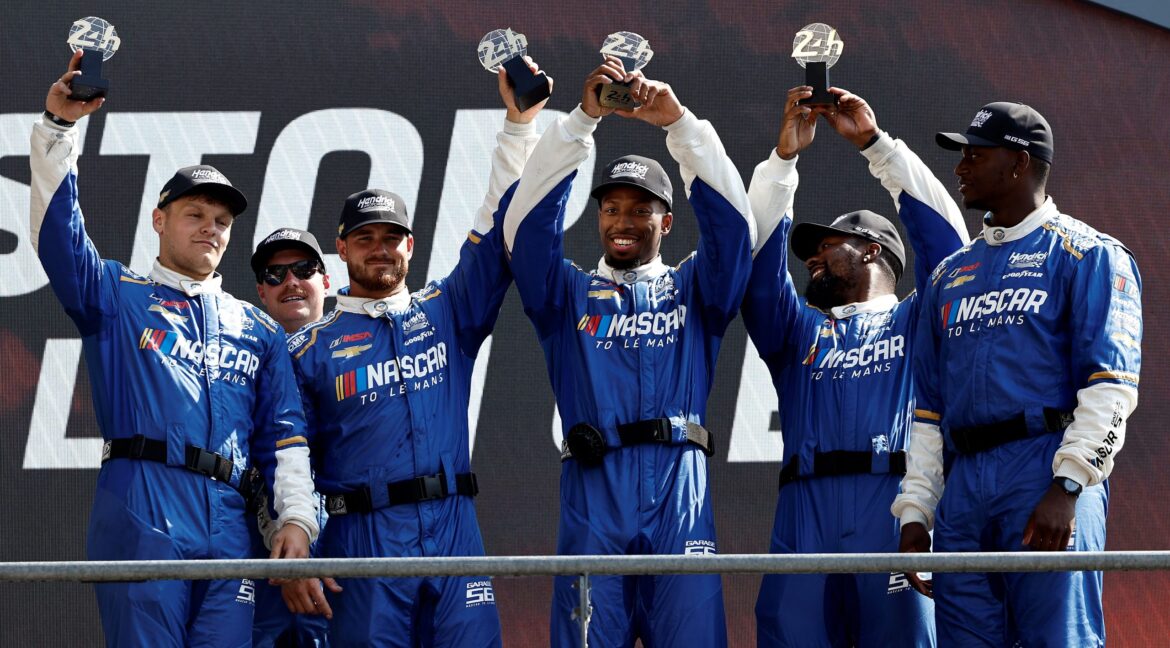
“Most people just think of the mechanical performance of NASCAR, but I am involved in the human performance aspect for our four racing teams,” said Kureczka.
“My main goal is to keep everyone healthy and working at their highest potential — which is difficult for a 40-week season.”
Photo: Kureczka and team celebrating their win of the 24 Hours of Le Mans Pit Stop Challenge in 2023
Strength, agility and speed
When people think of NASCAR, drivers and their cars come to mind first; pit crews and other support staff are often overlooked. It takes many people to get that car and driver on the track. The athleticism of the driver and crew are equally important to a team's success toward the checkered flag.
“What these athletes do is really impressive,” said Kureczka. “Each position has a unique responsibility. The fueler carries and plugs the car with a fuel can weighing roughly 100 pounds. The tire carrier sprints to the right side carrying two 55-pound tires, indexes the right rear tire, then races to the left side to index the left front. The jackman carries the jack, manually lifts both sides of the car, and also installs the right front and left rear tires. Meanwhile, the tire changers remove and reinstall the wheel nuts, ensuring all four wheels are properly secured before the car leaves the pit box. On top of that, the crew may also make wedge wrench adjustments to fine-tune the car's handling. All of this happens in under nine seconds — preferably well under — and it requires an incredible combination of strength, speed, coordination, precision and endurance. It's one of the most physically demanding jobs in professional sports.”
Watching a pit crew in action is like watching a team move at triple speed. At the same time, the orchestration of movement almost makes time stand still. This intriguing juxtaposition showcases the athleticism required of each pit crew athlete. One hesitation or wrong movement could cost the team its place in line or even incur a penalty — a difference that can win or lose a race.
For these reasons, Hendrick Motorsports hires college and professional athletes to join its pit crews.
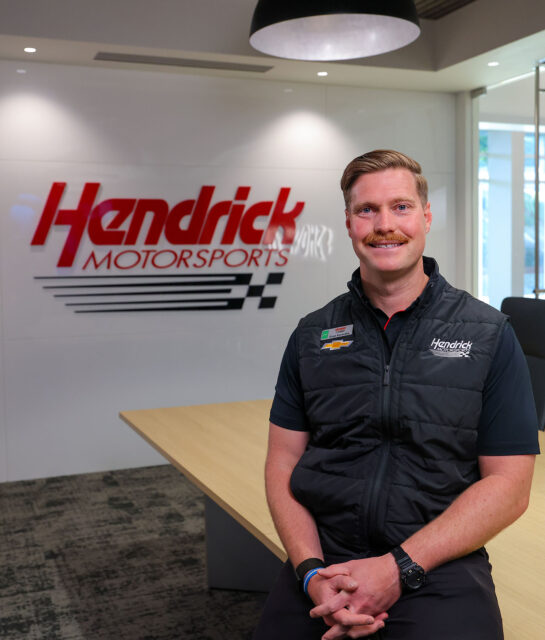
High-level athletes make the best pit crew athletes... they are already dedicated to maintaining and developing their physical bodies, and are used to the rigorous training schedule that is required of any athlete.”
Evan Kureczka ’09
The biggest issue the athletes face? The long season.
“These athletes are doing specified movements over and over for the majority of the year, so we deal with treating chronic overuse injuries,” said Kureczka. “We see a lot of back and forearm issues, so being able to train smart and recover properly are imperative.”
Other differences between NASCAR athletes and other sports: the length of the work day and the extreme heat.
“The work itself is difficult, but add a thick fire suit and fire-retardant gear underneath, on asphalt, on a 100-degree day and even small tasks are harder,” said Kureczka. “On top of that, the crews are setting up the pit box hours before the race and still have to be ready for a pit stop at any moment during the race.”
Top-tier athletes — Top-tier facility
Pit crew athletes are at the top of their game — and need to stay there. Hendrick Motorsports' new, state-of-the-art Atrium Health Motorsports Athletic Center, which opened earlier this year, makes that possible.
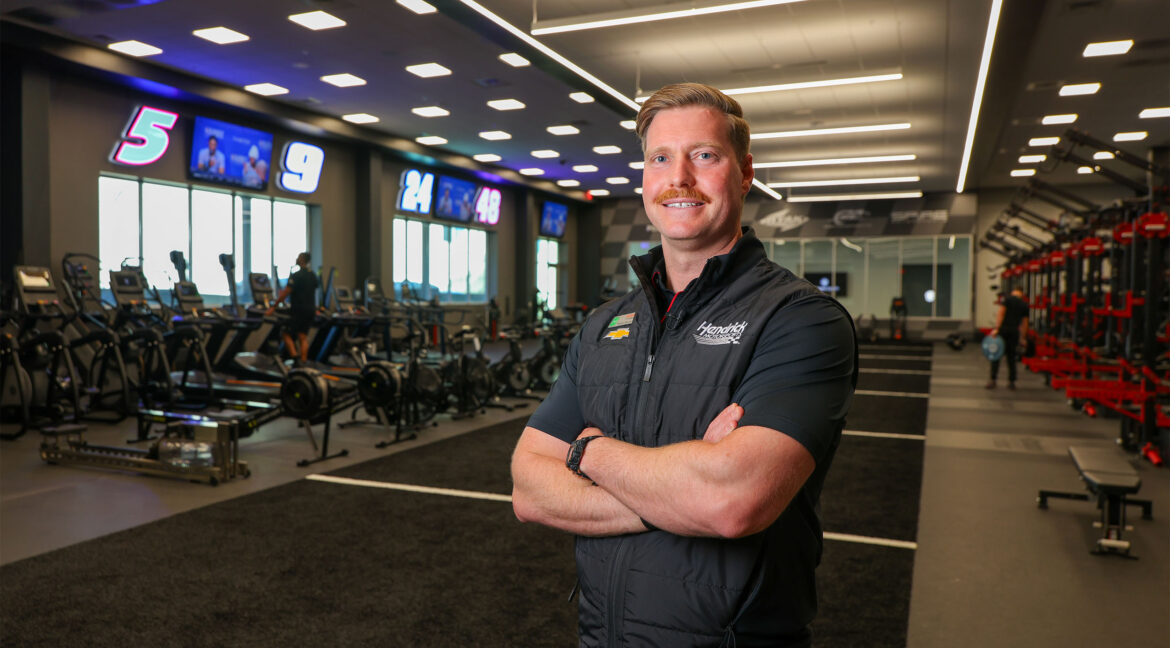
“Before we built this training center, our team toured as many athletic facilities as we could to see what other trainers had come up with,” said Kureczka.
“From Fort Bragg to professional and collegiate sports, we wanted to see what they had to offer their athletes, and then we wanted more.”
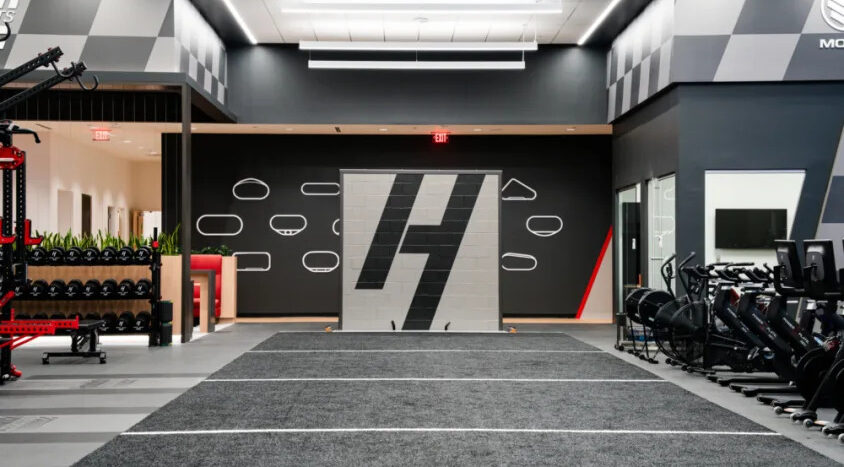
With the full support of Rick Hendrick, Kureczka and his team designed a facility that would make any fitness enthusiast want a membership.
Hendrick Motorsports’ fitness center can carry its athletes from training and conditioning to recovery and back.
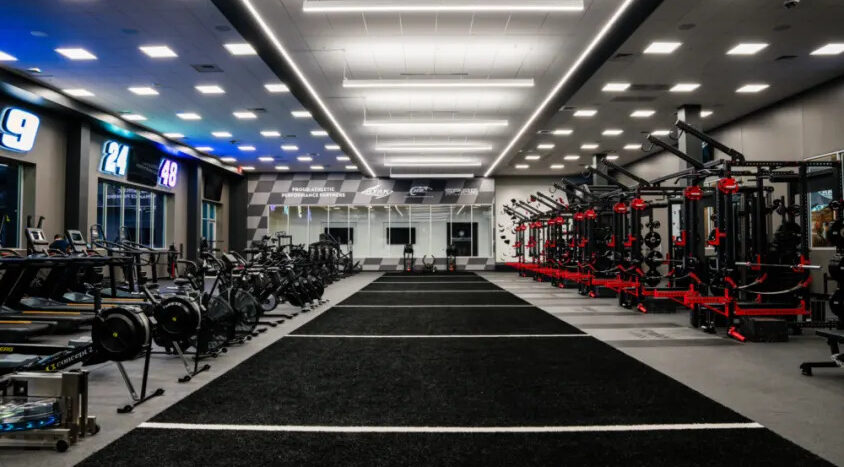
The stunning facility includes a full-scale strength, cardio and conditioning gym, a slam wall and video cameras inside the weight racks for instant feedback.
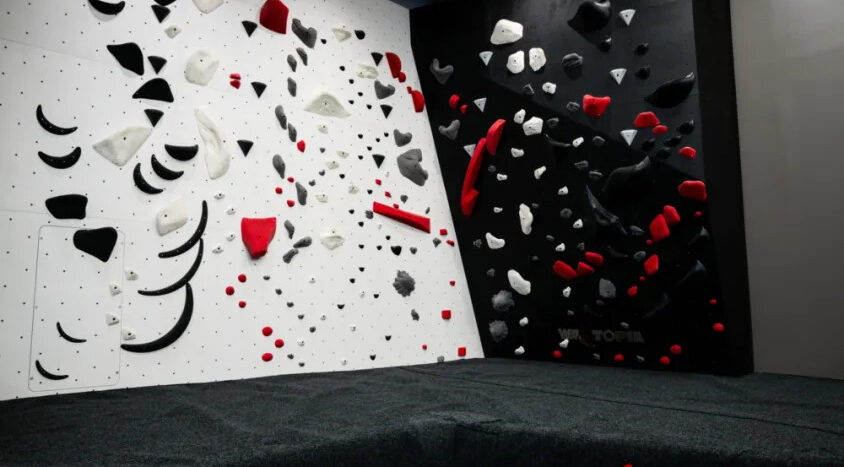
The gym includes a rock wall, which was Kureczka’s idea, so the athletes can build and increase their grip strength.
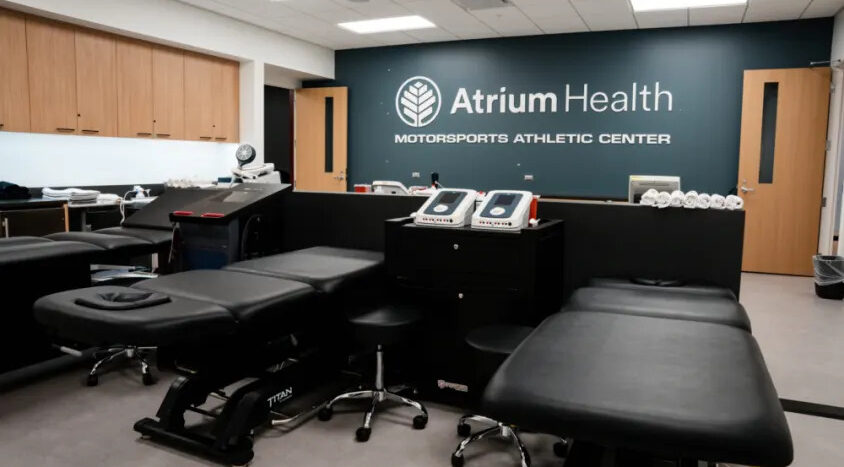
The other half of training is recovery. This clinical room, staffed by Atrium Health, provides customized, hands-on therapy to the athletes.

The facility also includes a wet room with a hot tub, cold tub, sauna and steam room, and other designated recovery areas for hyperbaric chambers, infrared beds and other equipment.
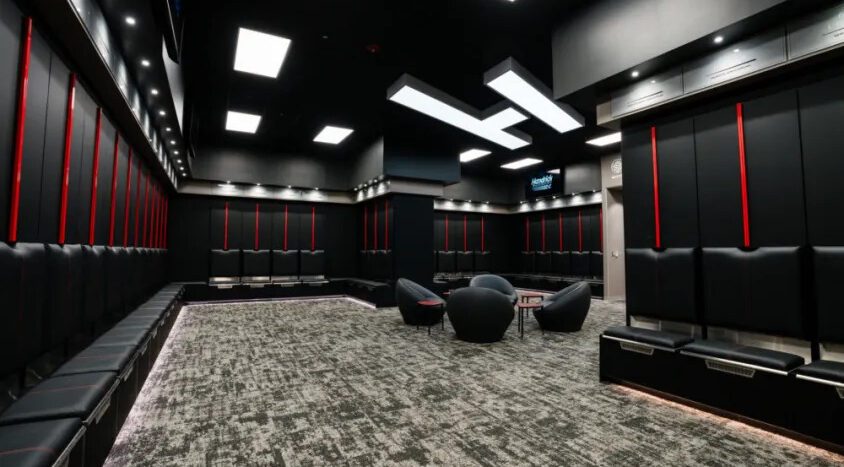
The locker rooms are completely customized to the pit crew athletes’ needs.
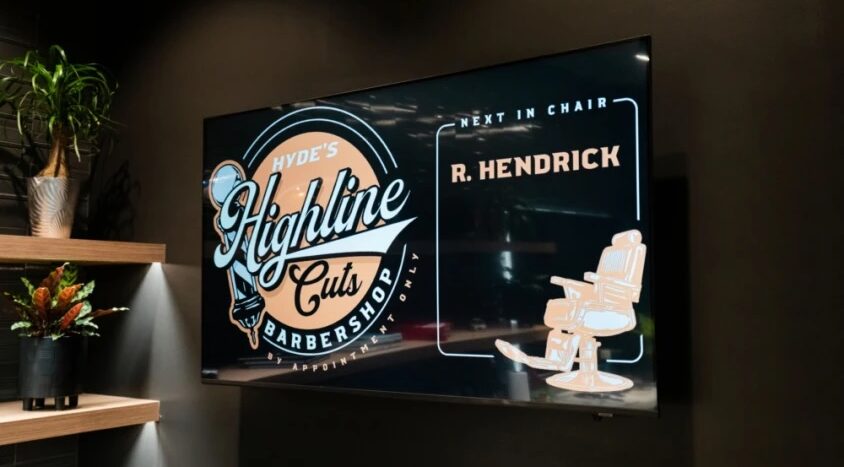
Working hard and looking sharp — the facility also has a barber shop.“Our facility is impressive, and I’m so glad I had a hand in designing something our athletes will benefit from for years to come,” said Kureczka. “I even get excited about the barbershop because it’s a great recruitment tool that continues to build our brand by setting our team to a higher standard with how they physically represent themselves.”
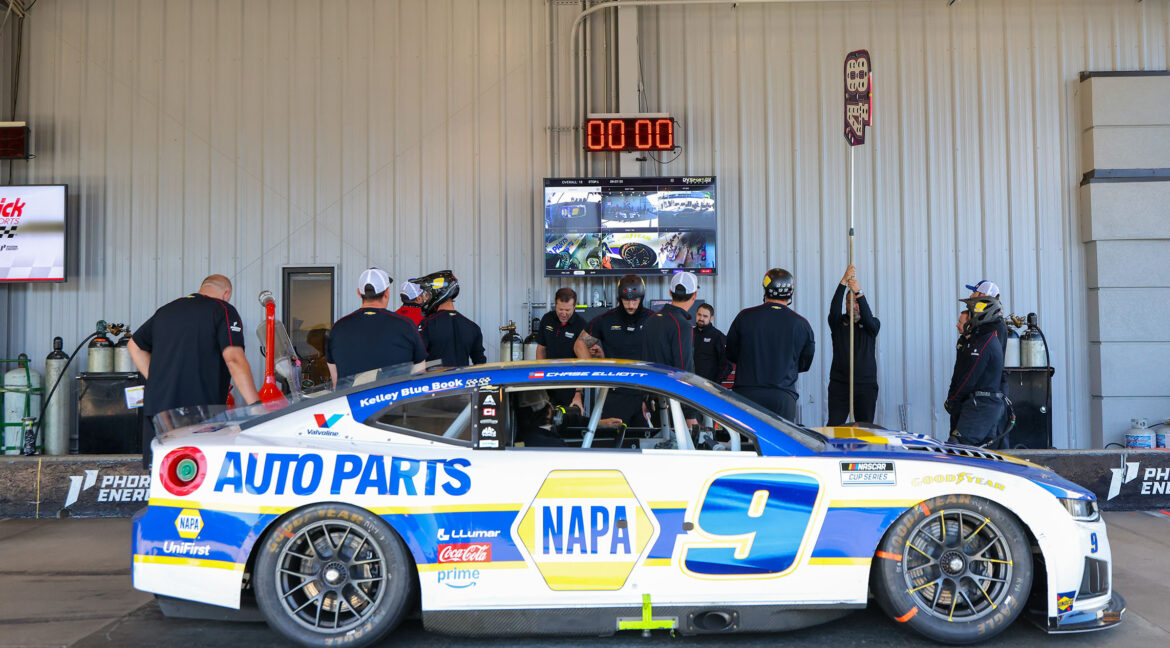
Outside, the athletes use the modified track and pit pad for regular pit stop practice. Cameras are strapped to the athletes and around the pad so crews can review feedback instantly and continually improve.
Making the “right” turn
There’s no doubt that Kureczka has had a successful career — with plenty more to come. From the pathway he began as a biology student, to a slight turn toward a profession more tailored to his interests, Kureczka ended up in a career of which he never dreamed.
“I don’t think I would have believed you if you told younger me that I was working in NASCAR with top-tier athletes and the best guys in the business,” said Kureczka. “But I’m thankful each day.”
When asked how students can become successful professionals, Kureczka had three pieces of great advice:
1.
Step outside your comfort zone.
Recognize your areas of weakness and be willing to make yourself uncomfortable to push those boundaries. You never know what opportunities await or what you could learn.
2.
Network with everyone.
Be genuine and get to know the people around you. You never know what connections might impact your future opportunities.
3.
Grow into the position you are in.
Be willing to sacrifice for the greater good beyond yourself, and grow into the position you are in. You can't come out of school thinking you deserve a specific position. Instead, consider what you are willing to sacrifice to earn your way up there.
Student-athletes should consider motorsports a viable and exciting avenue for them to pursue, where their specific skills and dedication can be used in a way that they may not immediately recognize. Hendrick Motorsports actively recruits athletes and hosts a combine each year.
“I think what's different with us is we really look at character and the way that athletes care for themselves and others,” said Kureczka. “Hendrick Motorsports holds a very high standard and we want to support the name on our chest. We are looking for phenomenal athletes, but also phenomenal people.”
The overall takeaway here is that building connections, remaining open to opportunities and evolving with your own dreams and goals can lead you places you never imagined.
“I remember joking with the crew chief for Jimmie Johnson, Chad Knaus, when I first started with Hendrick Motorsports that I thought we just turned left in this world,” said Kureczka. “We laughed then, but we actually do make right turns as well, because there's actually road courses. But life is like that too — don’t be afraid to make the right turn.”